Images provided by Asim Kaleem. All rights reserved.
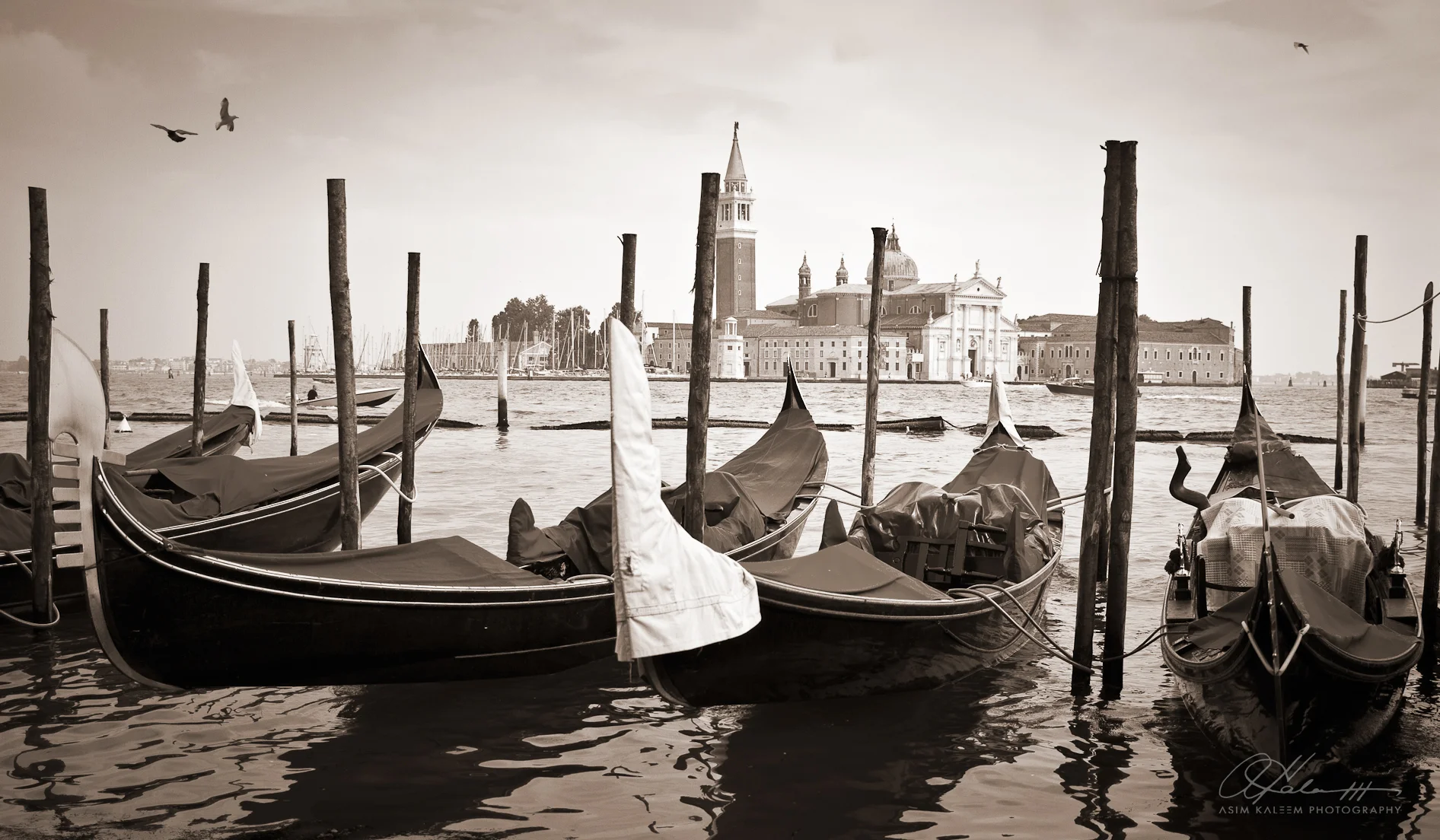
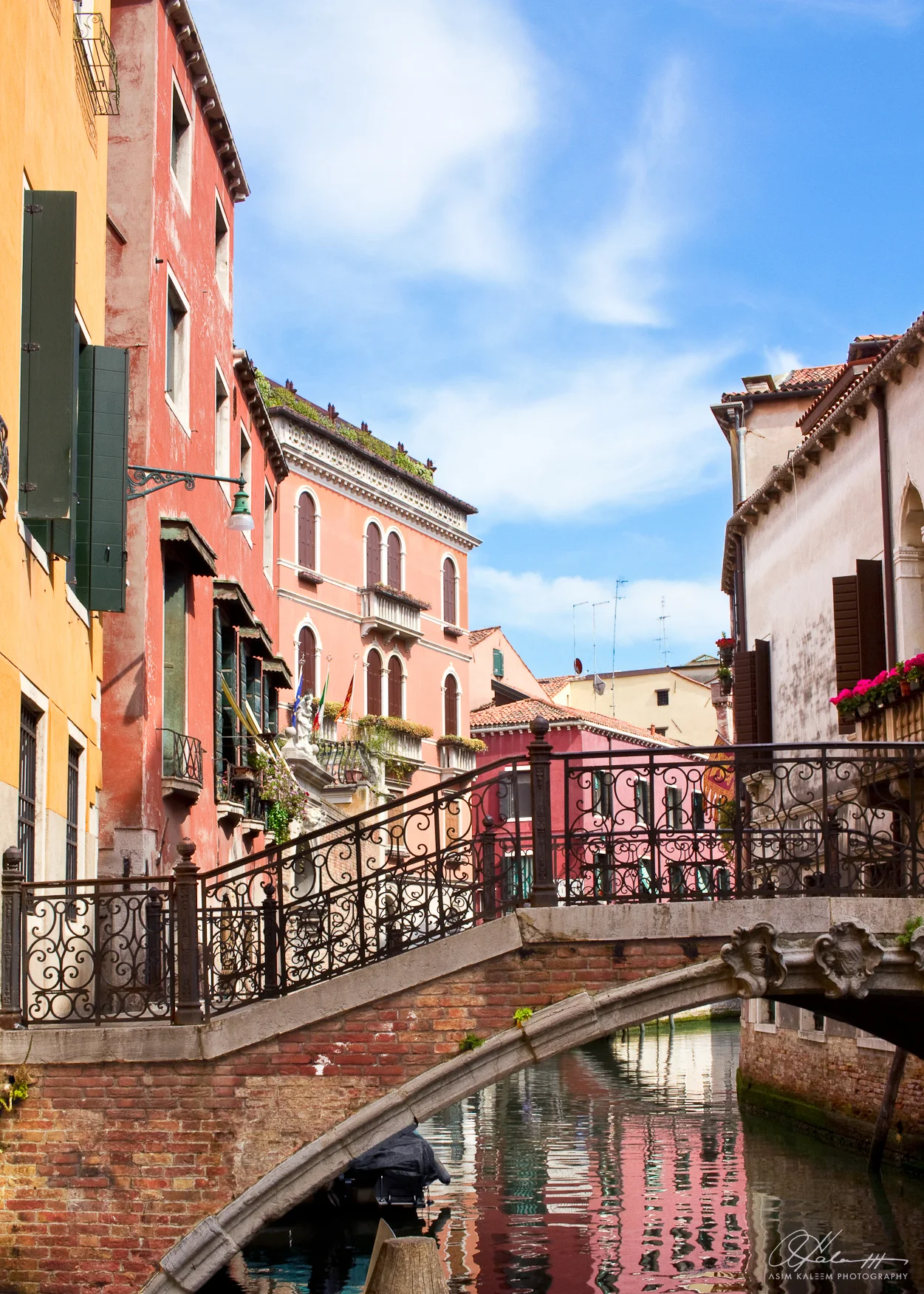
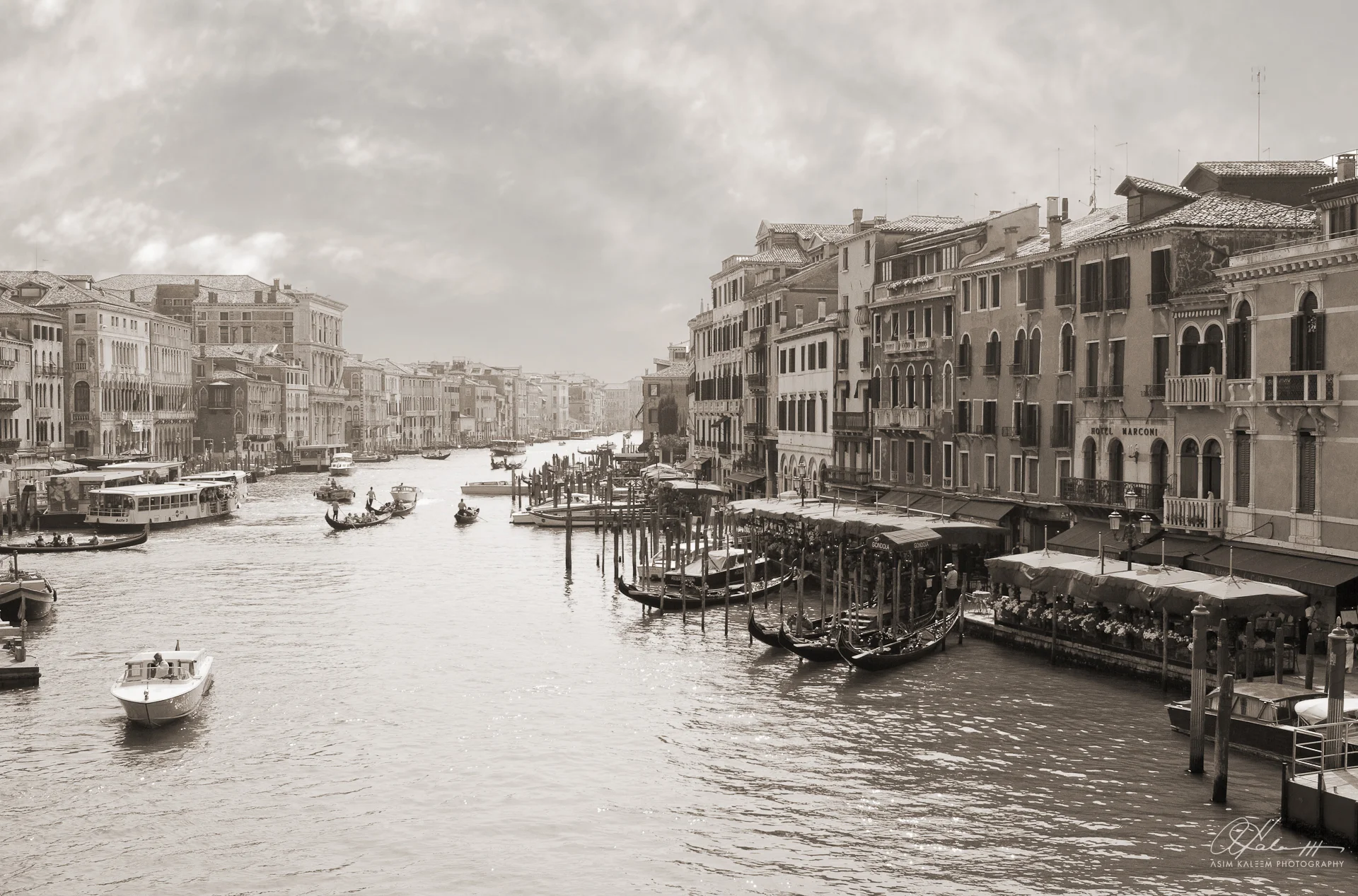
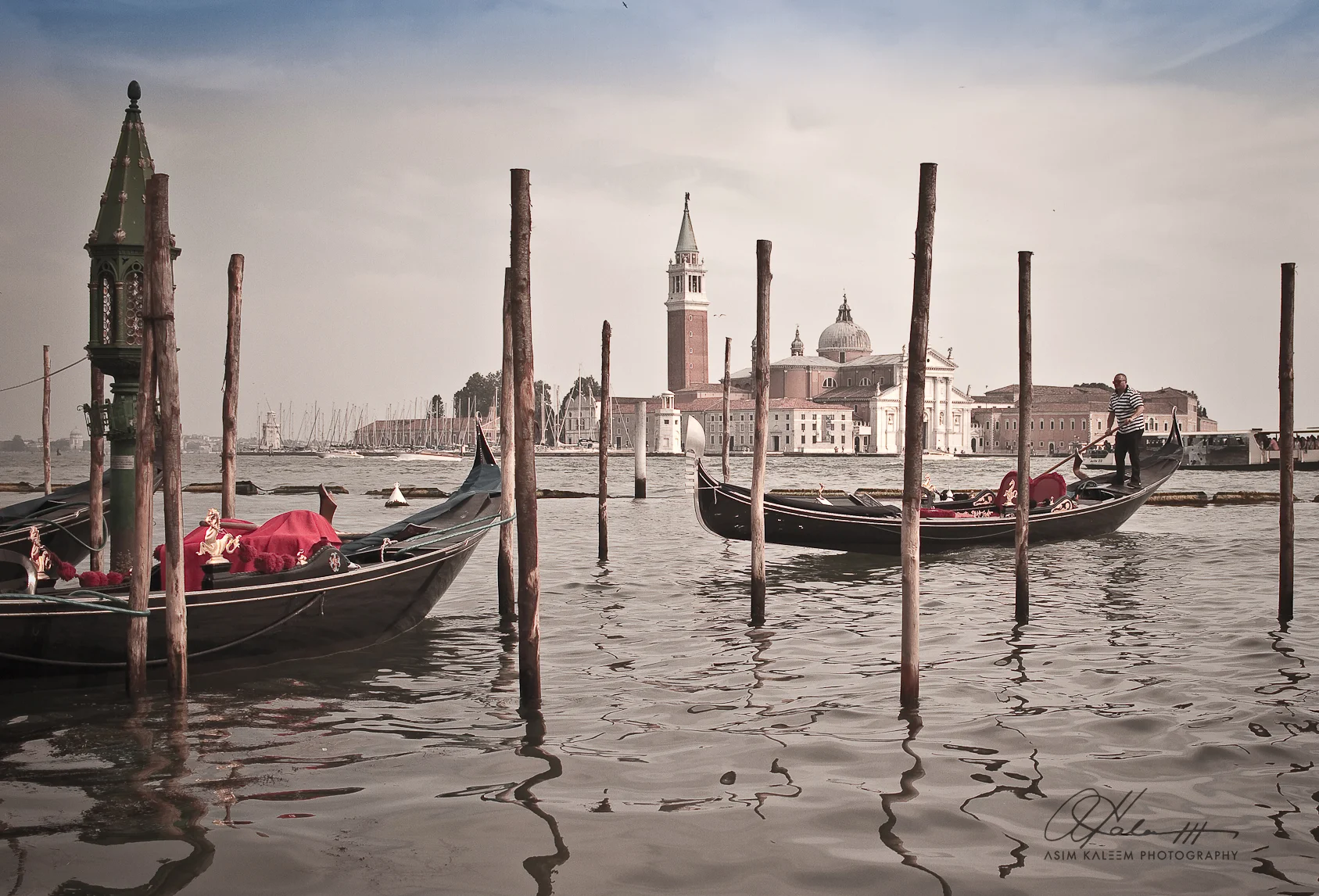
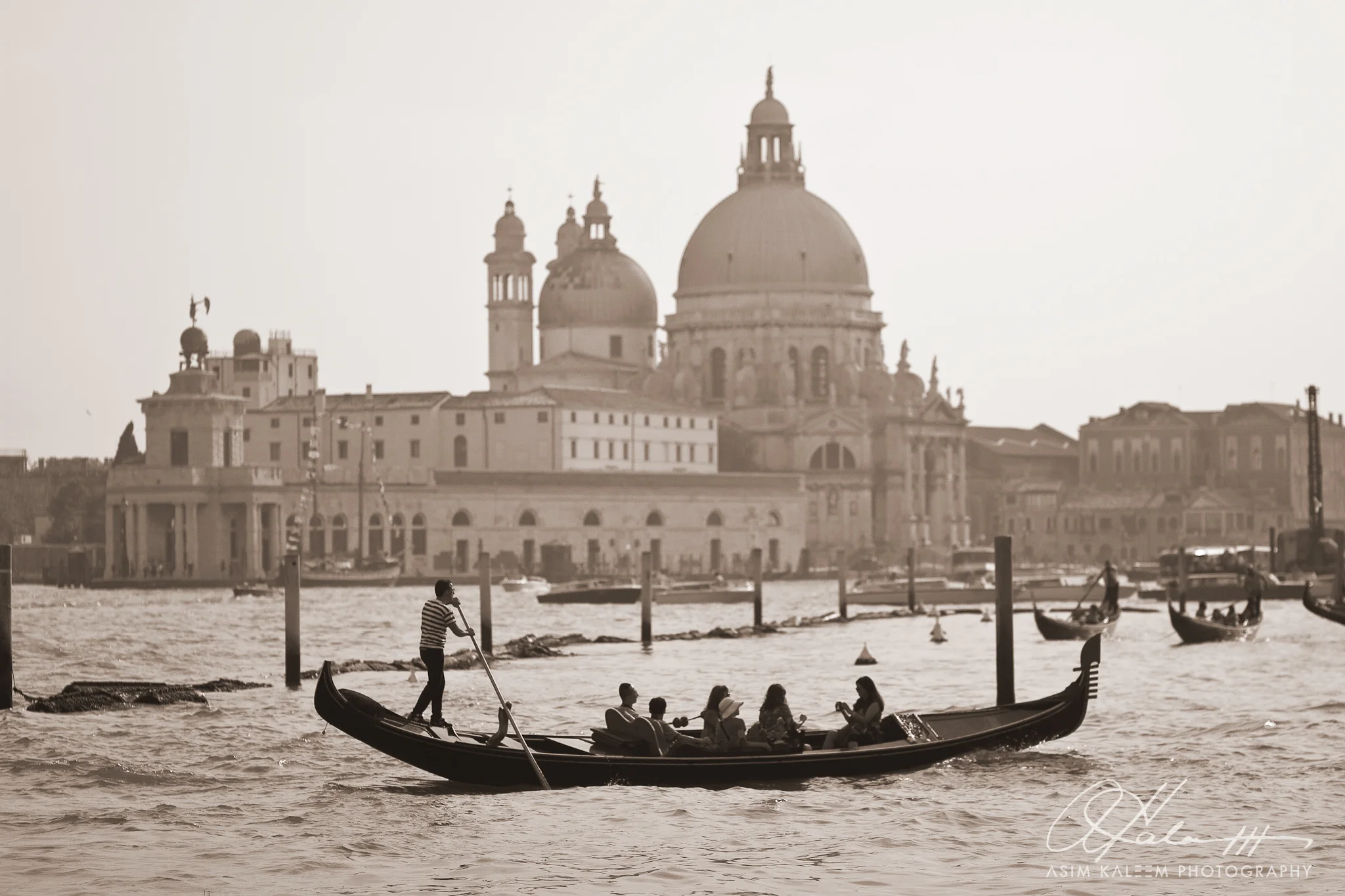
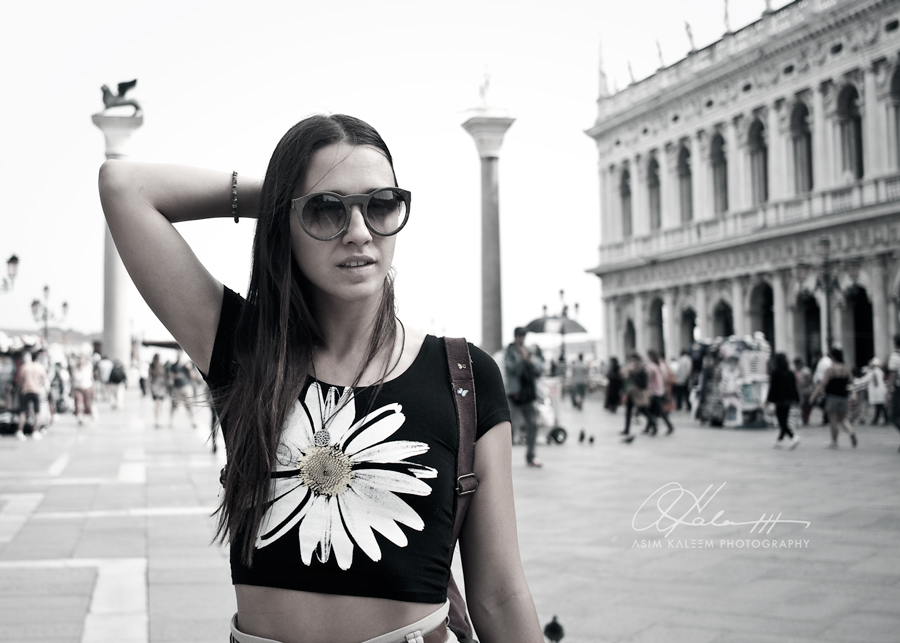
Venice, Italy 2015
Venice, Italy 2015
Venice, Italy 2015
Venice, Italy 2015
Venice, Italy 2015
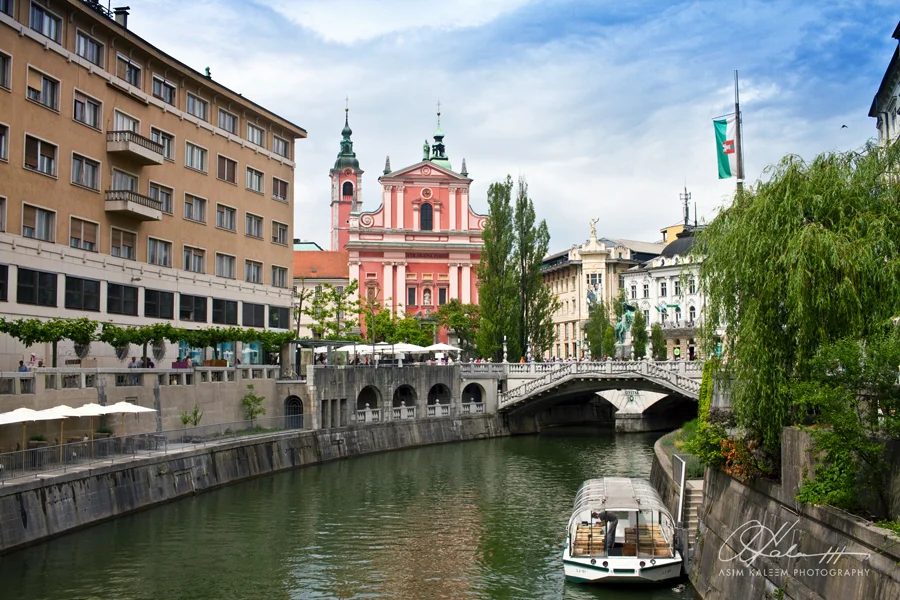
Slovenia 2015
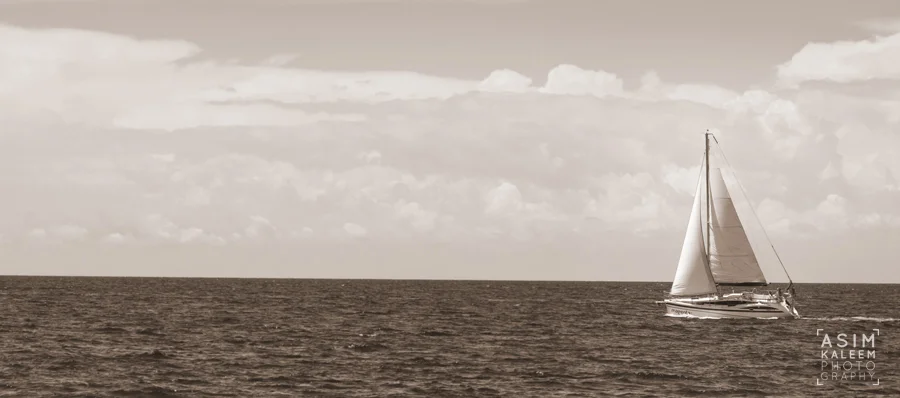
Adriatic Sea
Images provided by Asim Kaleem. All rights reserved.
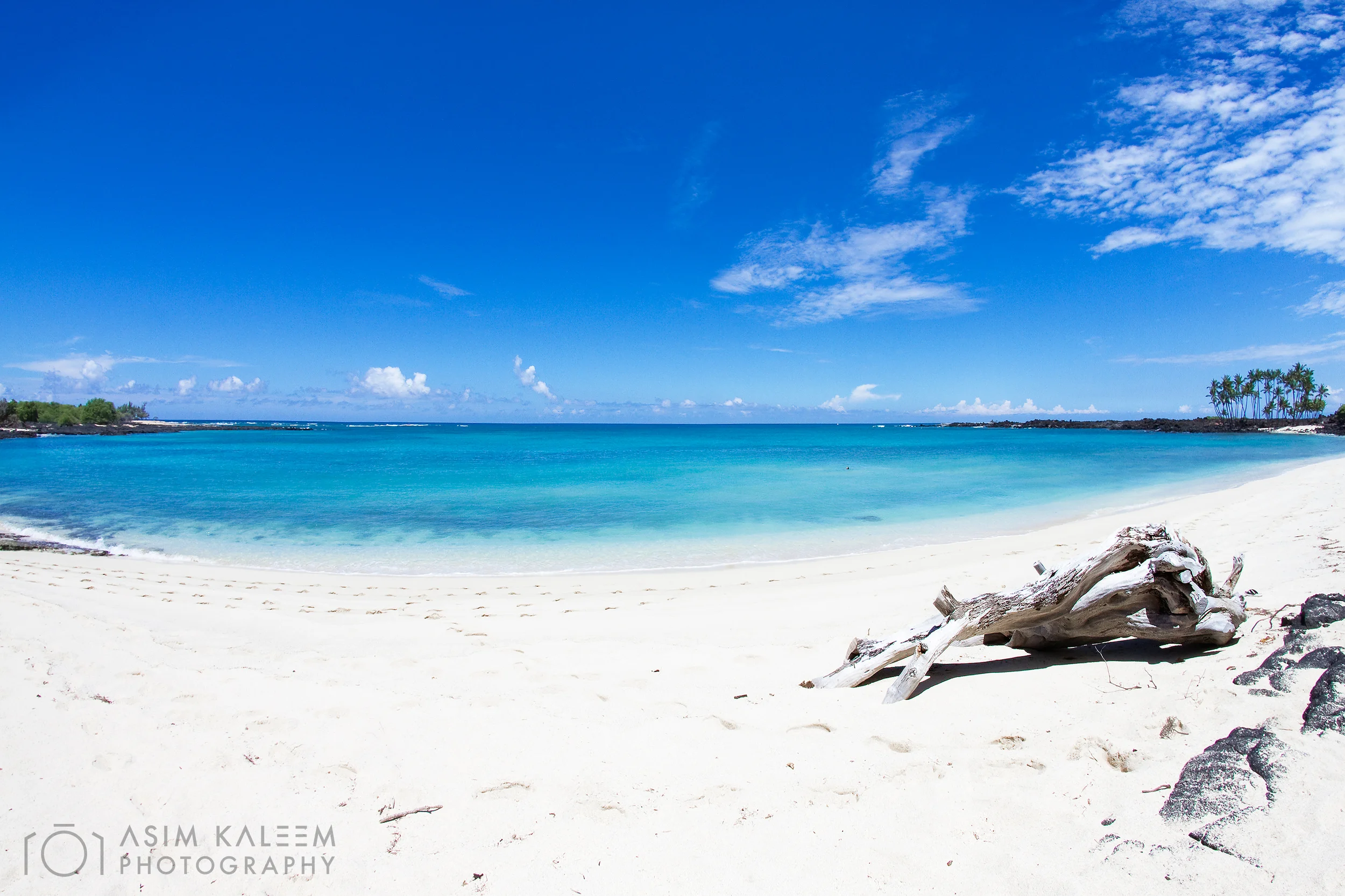
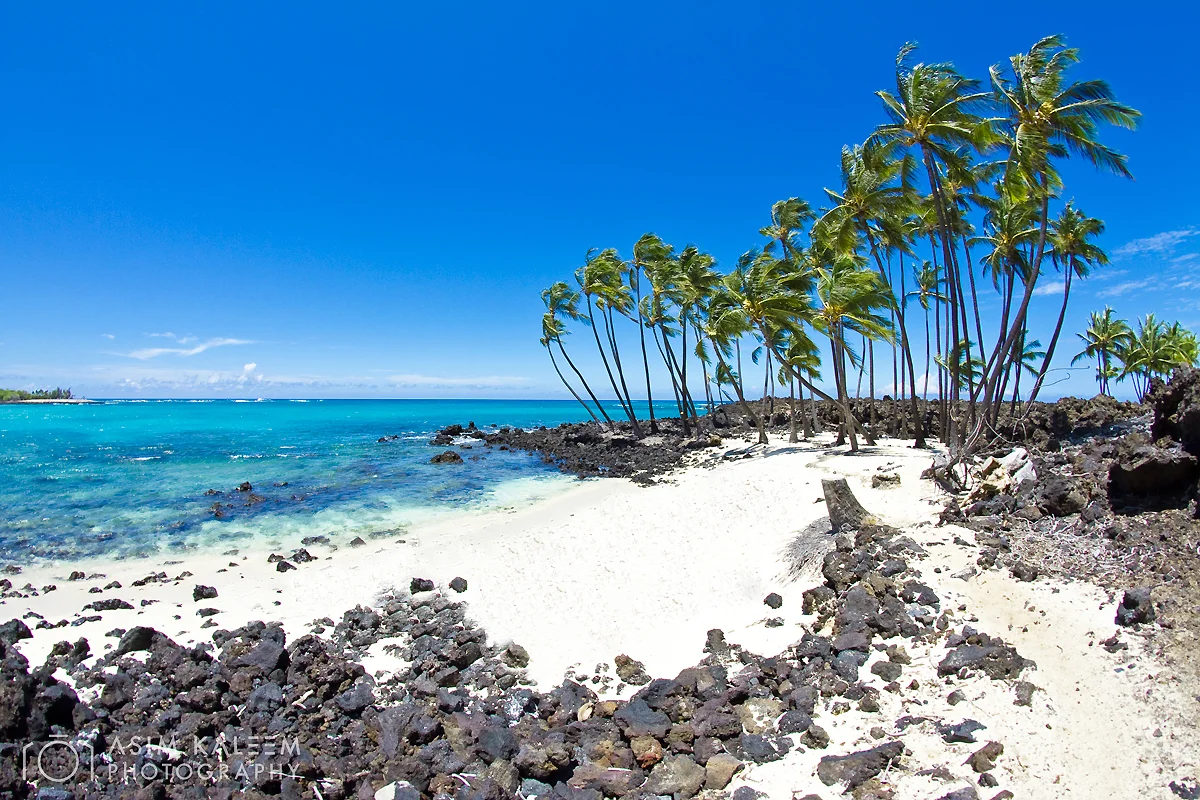
North End of Mahai'ula Beach at Kekaha Kai State Park
Green Sand Beach
Hilo Bay
Kekaha Kai Beach Park
Hilo Bay
South Pointaka Ka Lae Point
Drive on Kalapana Kapoho Rd City of Pahoa
The Point in front of Kalani Honua
View from Seaview
Coqui Frog
Famous Green Sand Beach
The isolated and idyllic Makalawena Beach
Green Sand Beach
Makalawena Beach
Route 200
Mauna Kea Resort Beach aka Kauna'oa Beach.
Kua Bay
Isaac Hale Beach Park, aka Pohoiki
Camping at Hilina Pali Overlook
Volcano National Park, Big Island Hawai'i
Volcano National Park Big Island Hawai'i
Red Road
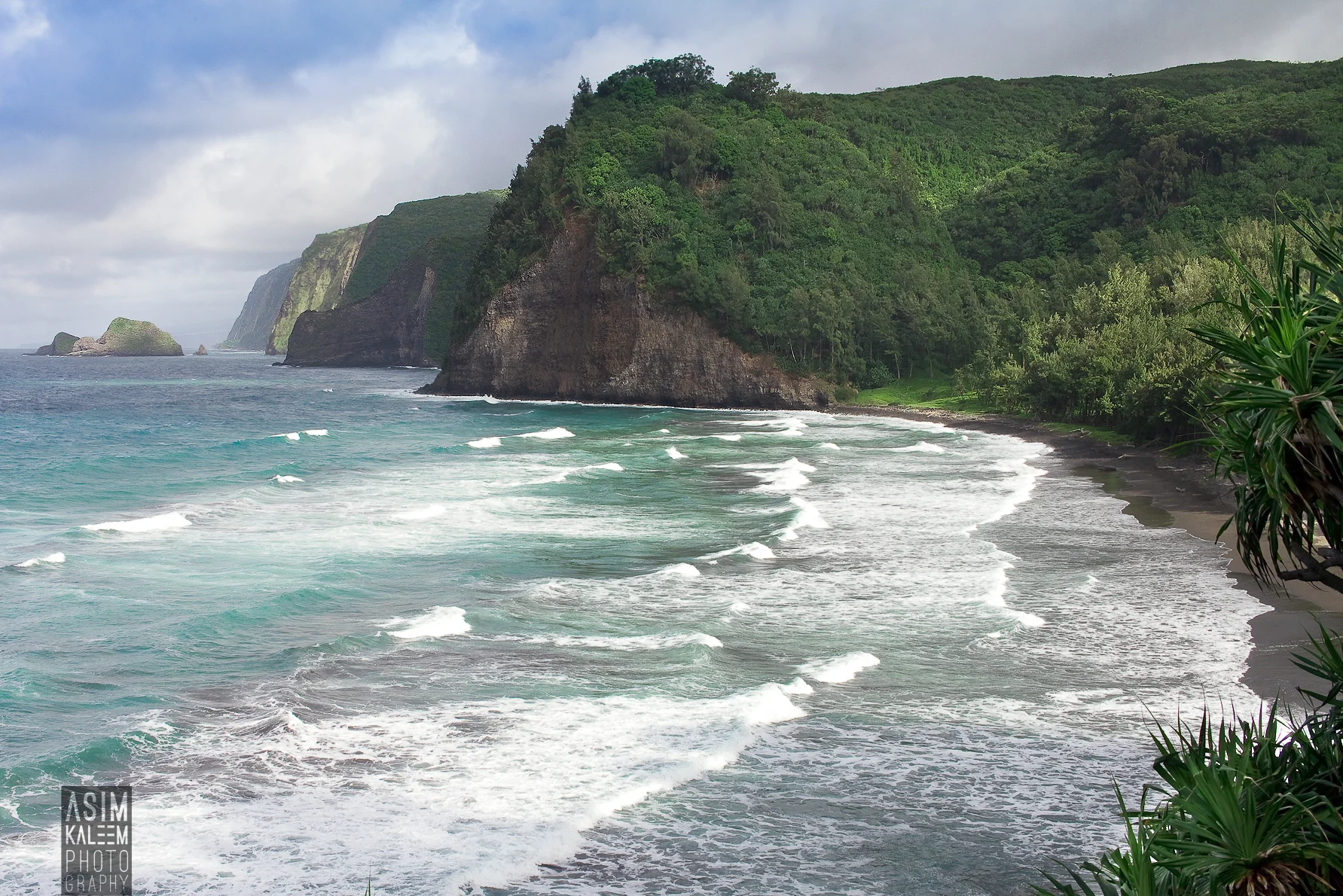
One of the most spectacular & hauntingly beautiful places on the Big Island is Pololū Valley Beach. You can take in the visual splendor from the lookout above or get your heart rate up by taking a 20 minute hike down to the beach and then you're in for a real treat.
Images provided by Asim Kaleem. All rights reserved.
Images provided by Asim Kaleem. All rights reserved.
Images provided by Asim Kaleem. All rights reserved.
Venice, Italy 2015
Polulu Valley
Slovenia 2015
Red Road
Girl at the Point
Venice, Italy 2015
Girl at Hilina Pali Overlook
Kona Sunset
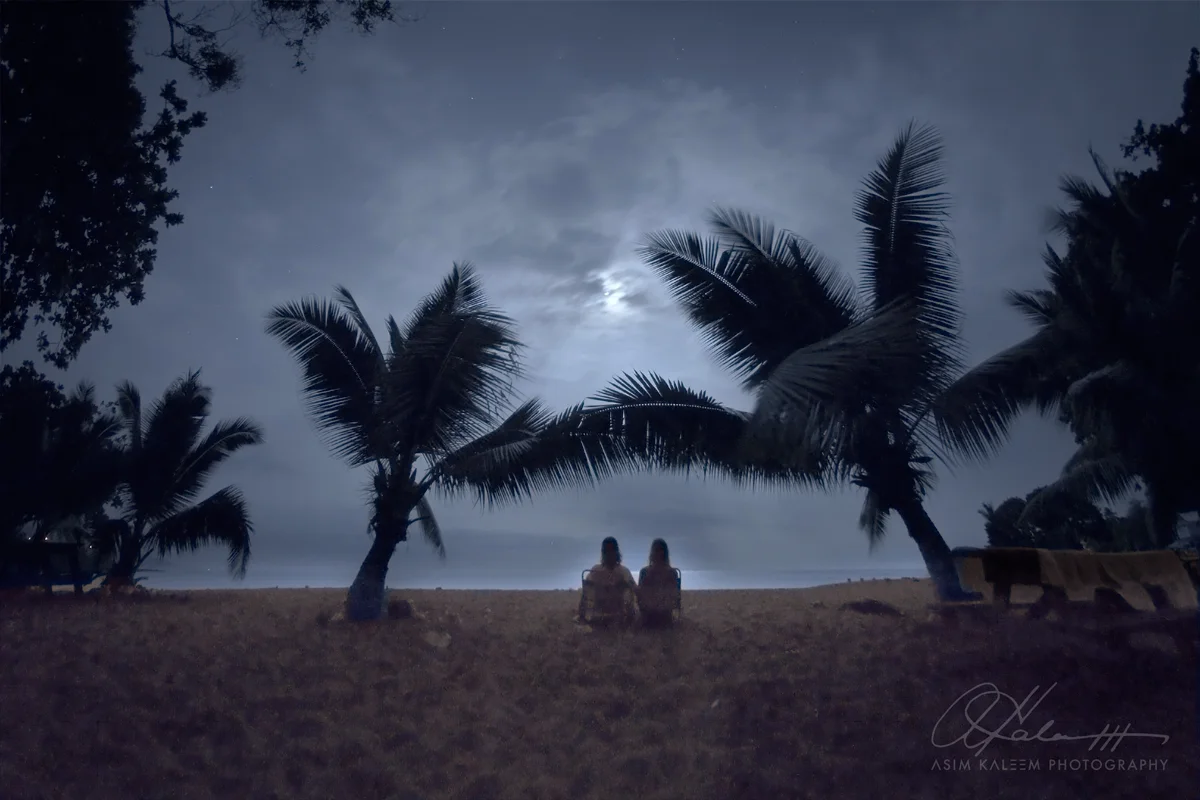
Couple Moon Gazing at Ho'okena Beach Park
Ho'okena Beach Park
Venice, Italy 2015
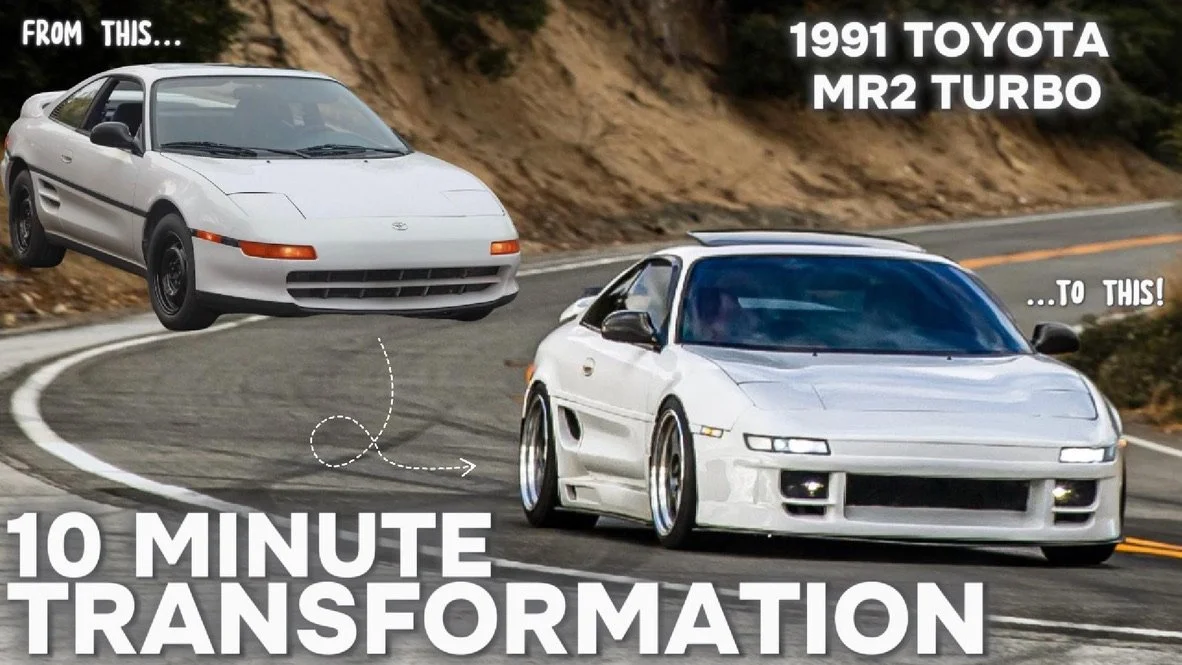
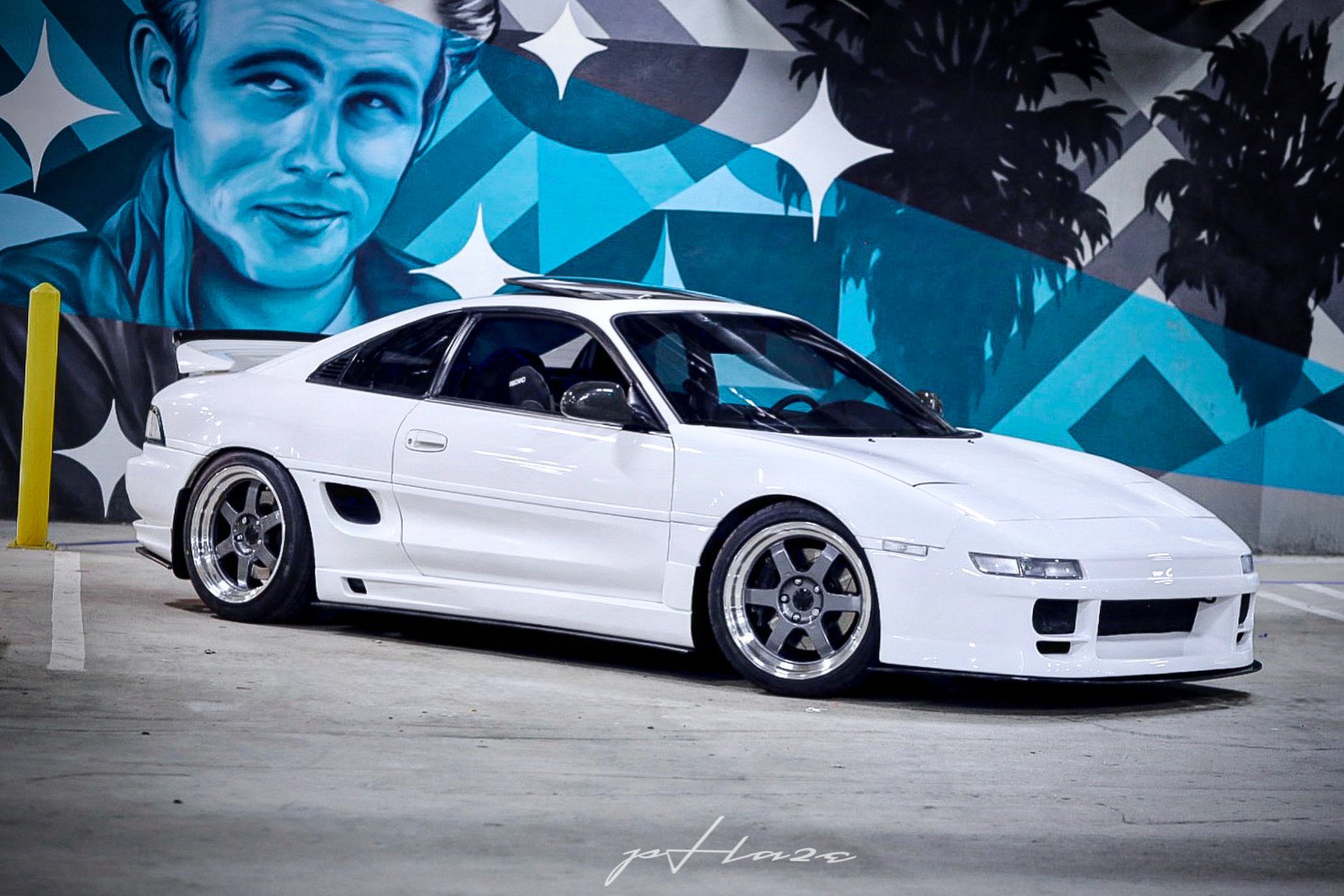
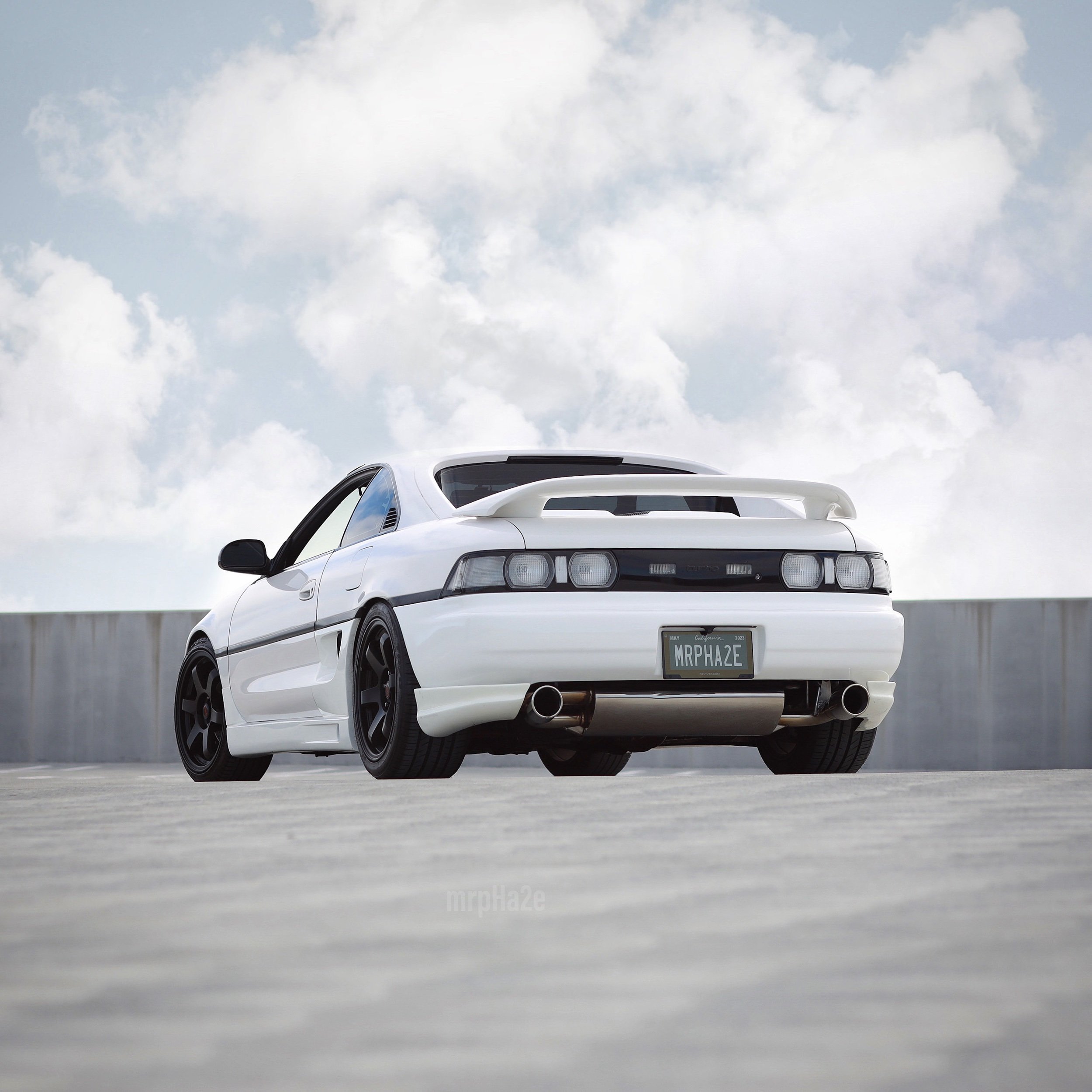
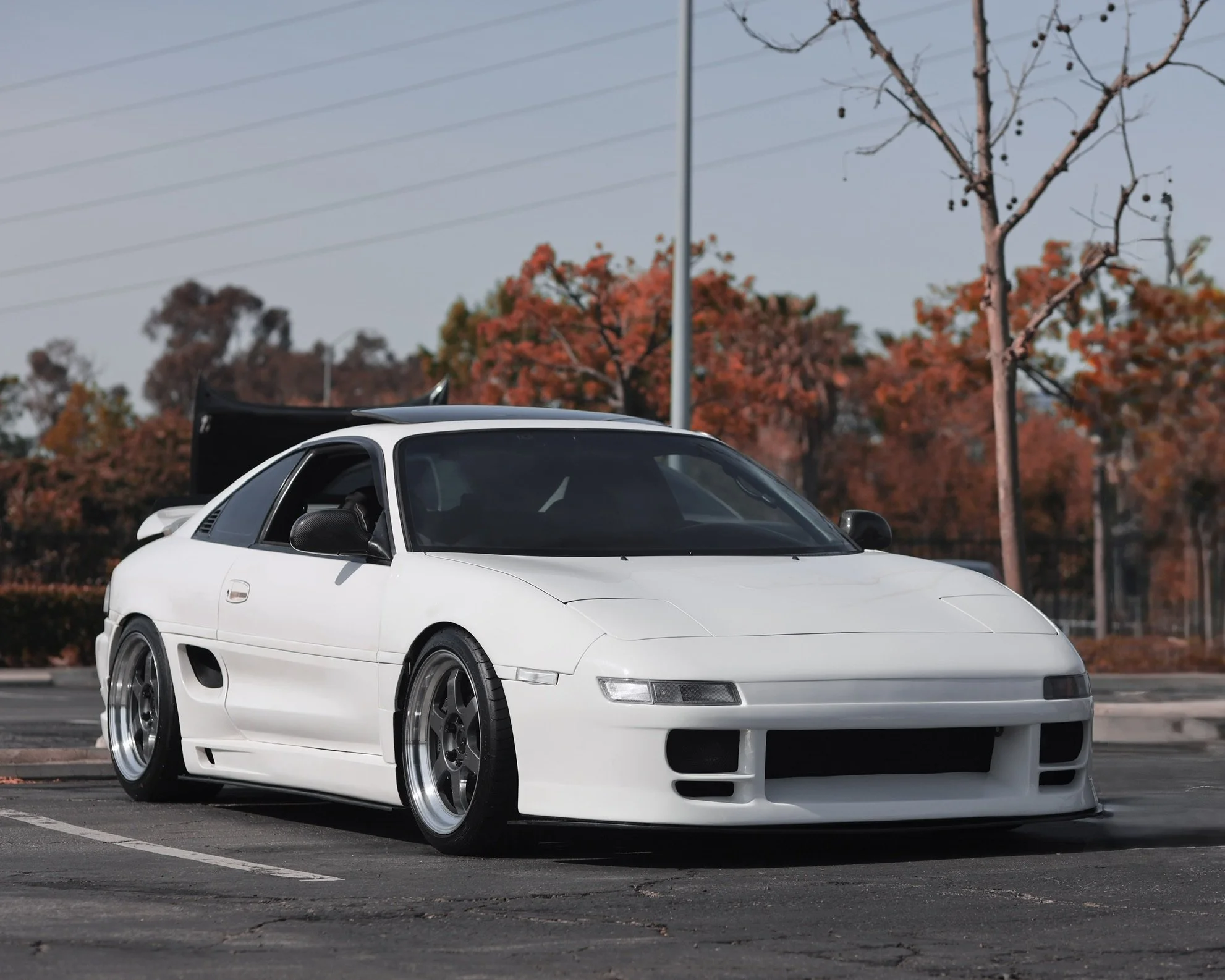
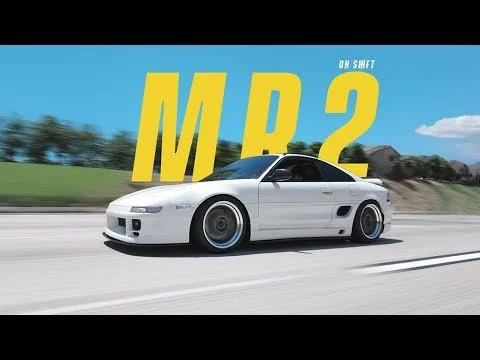
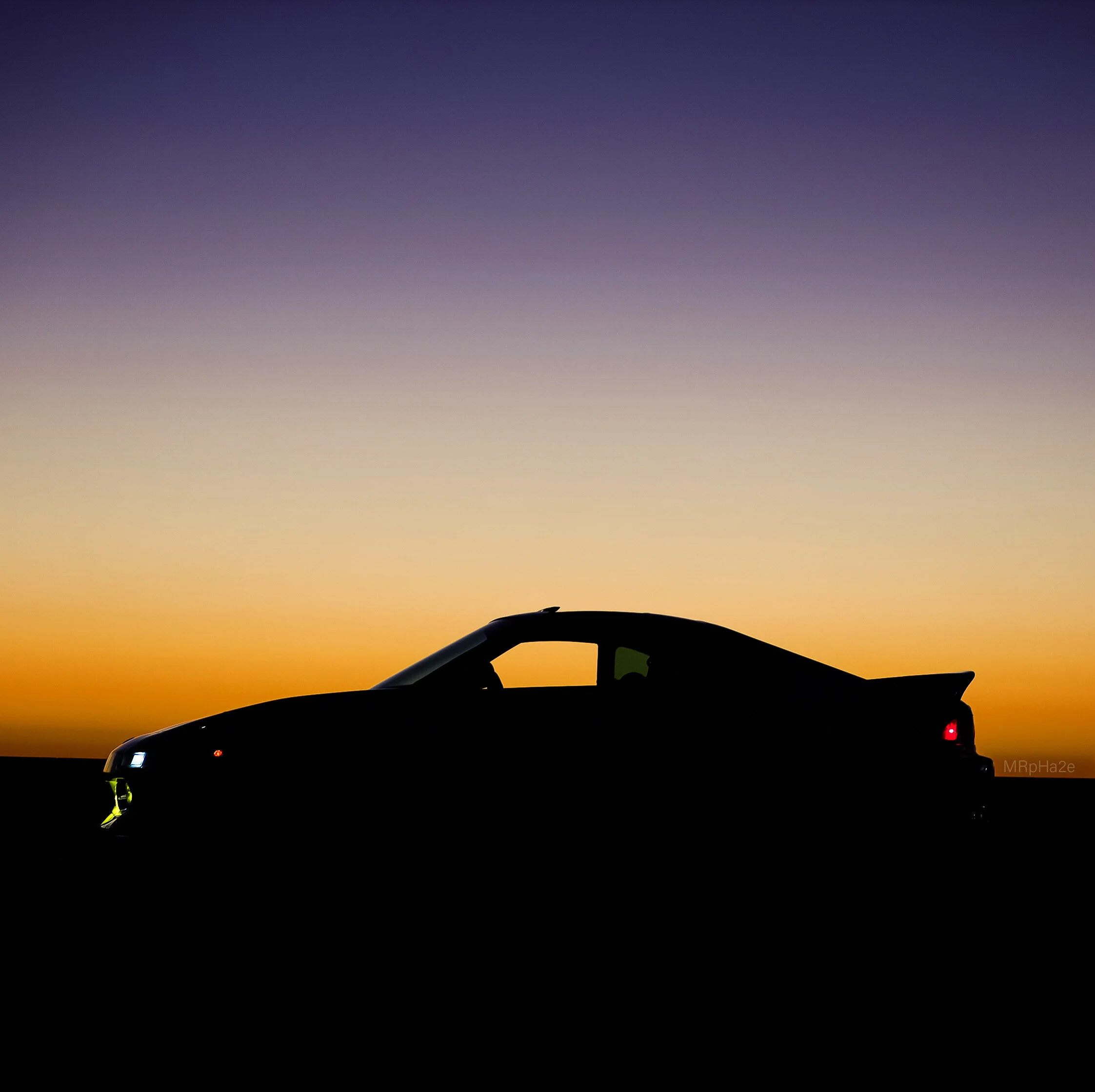
1991 Toyota MR2 designed and built by INFINITE PHASES ™
——————————————————————————
THE STORY
——————————————————————————
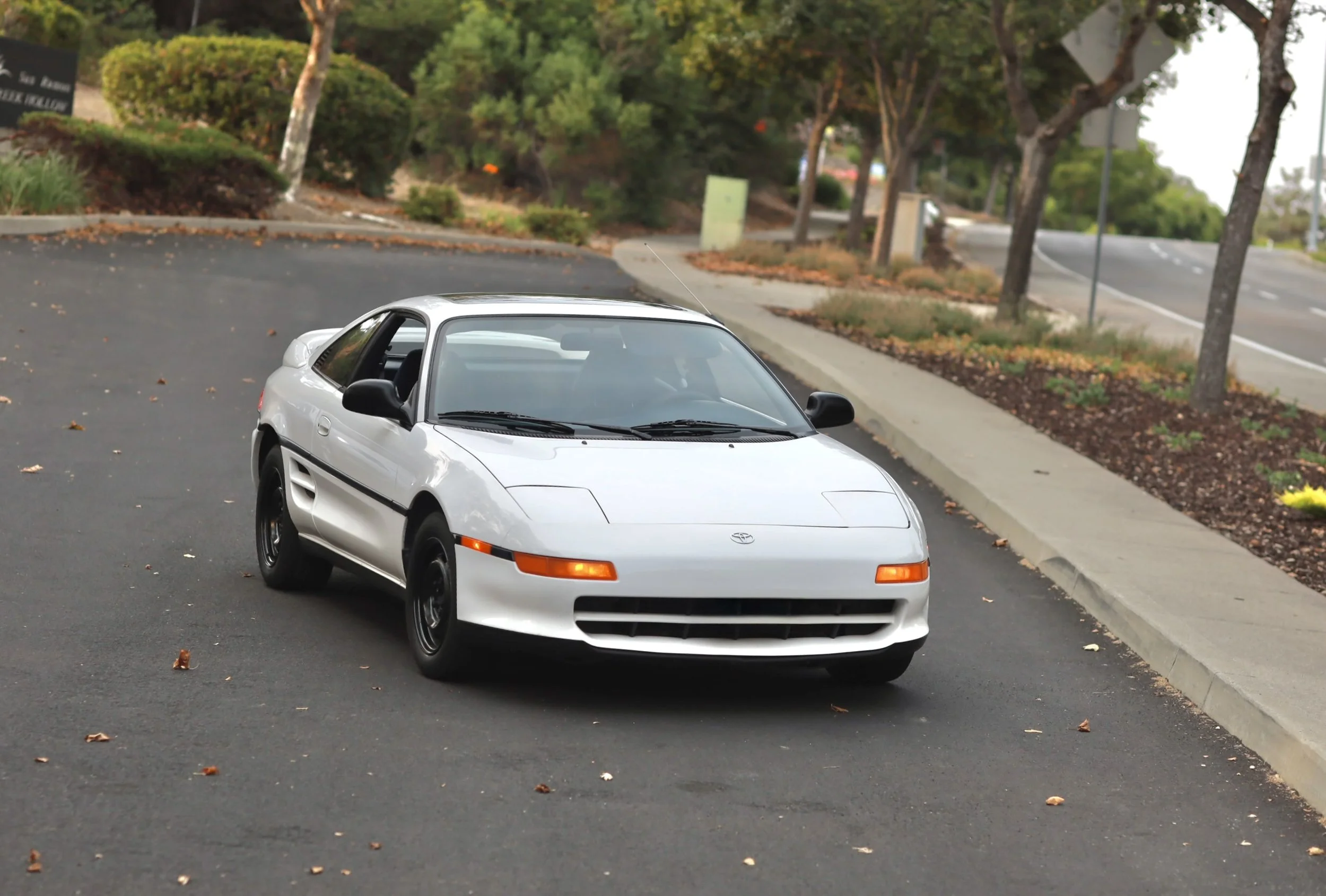
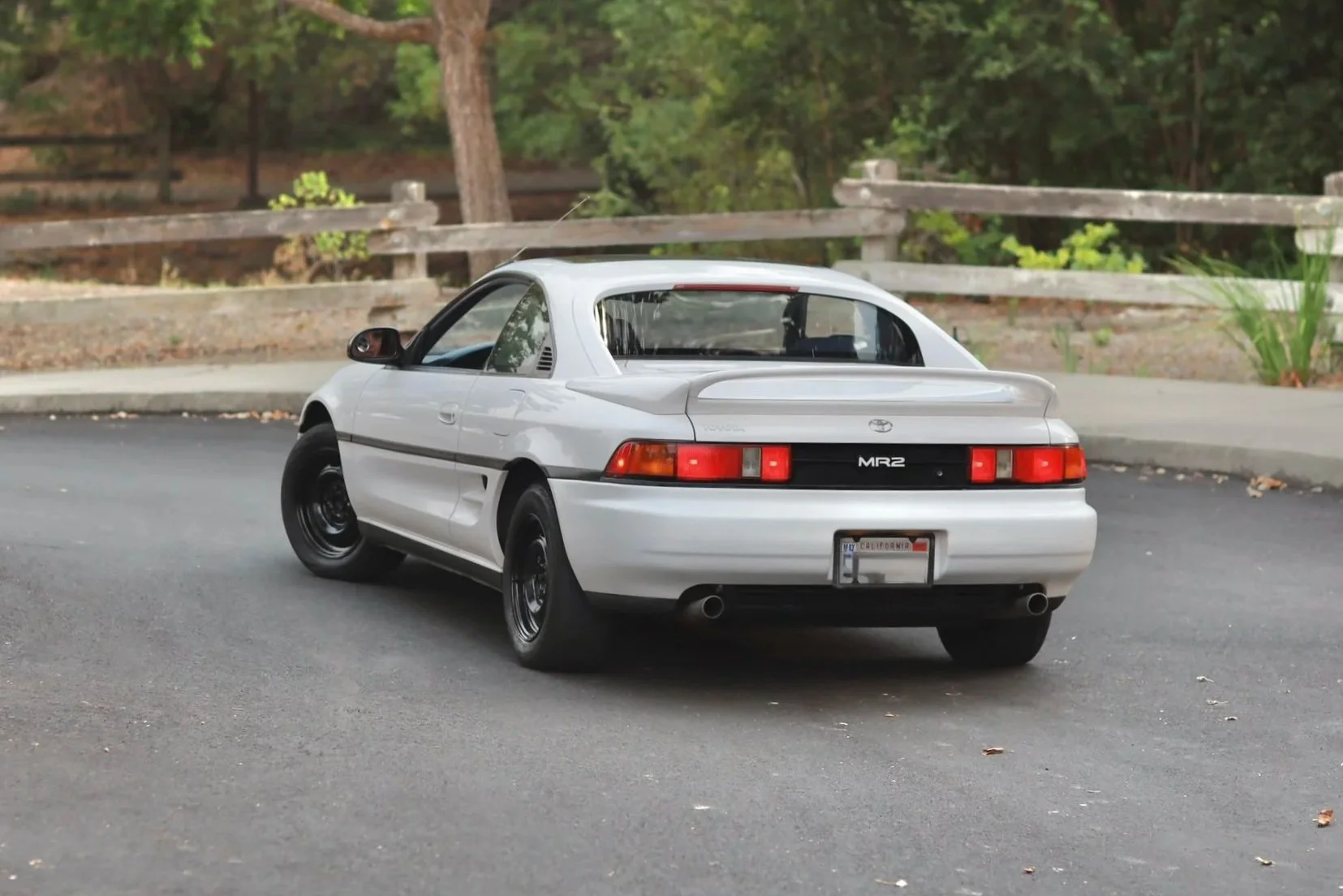
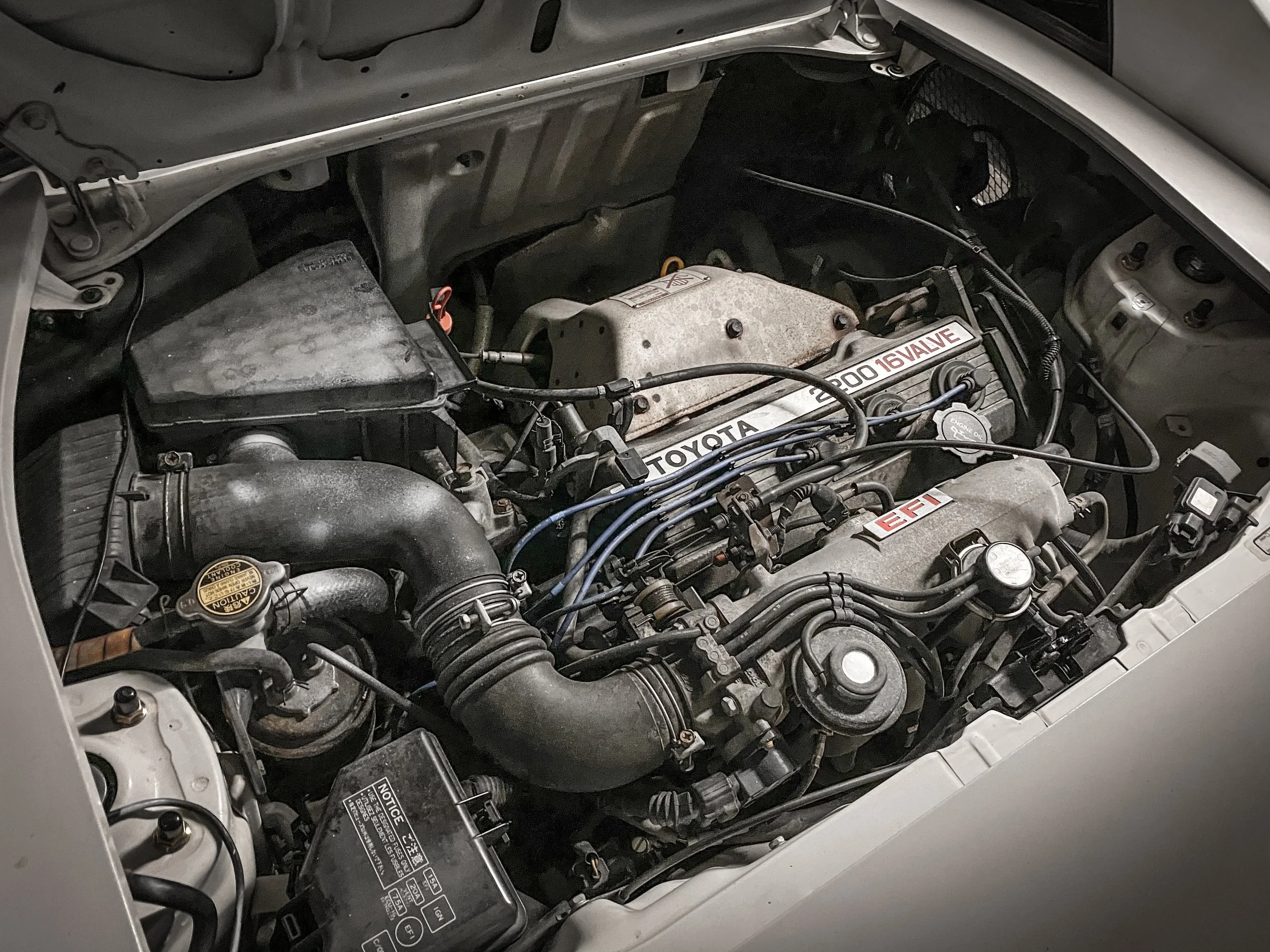
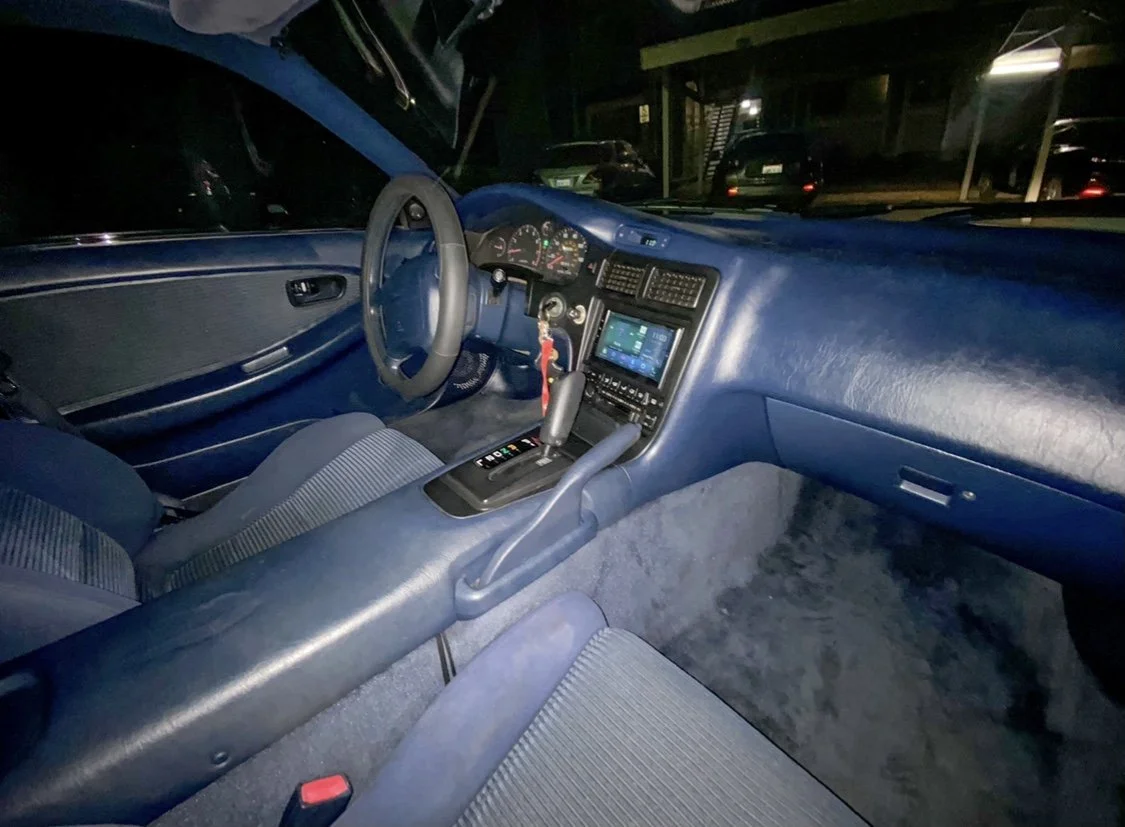
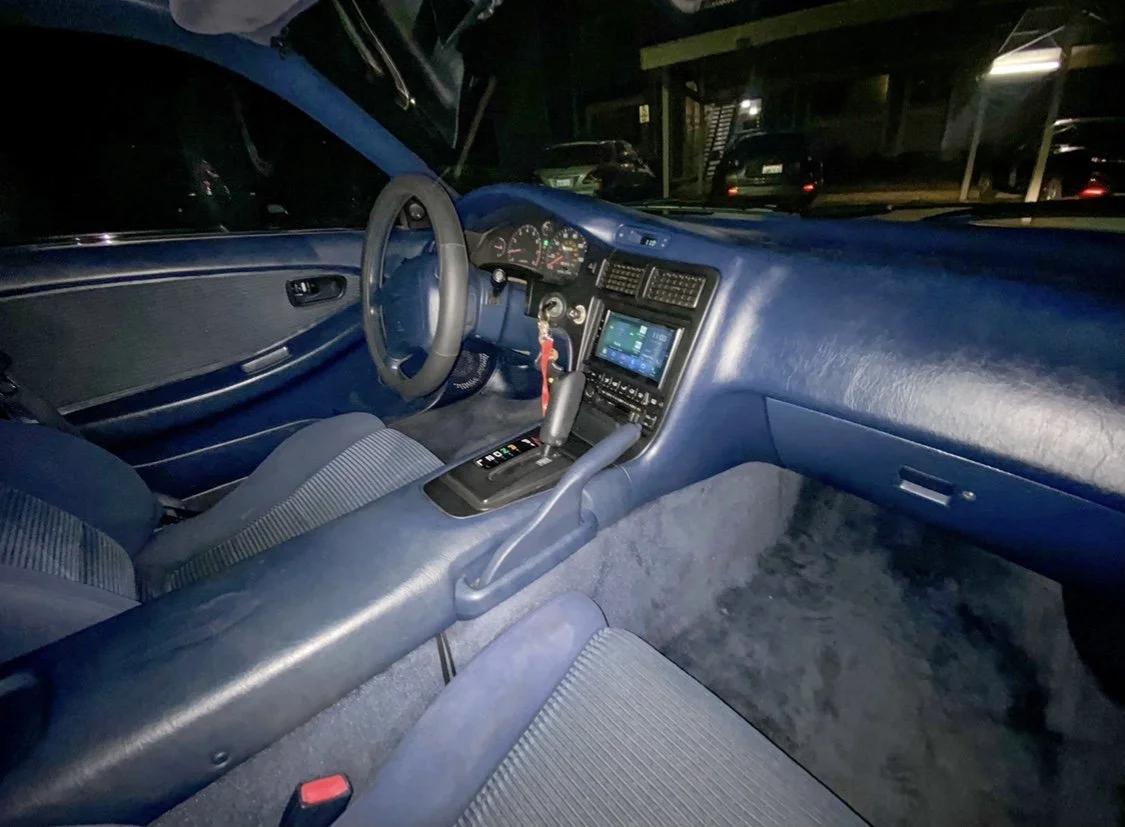
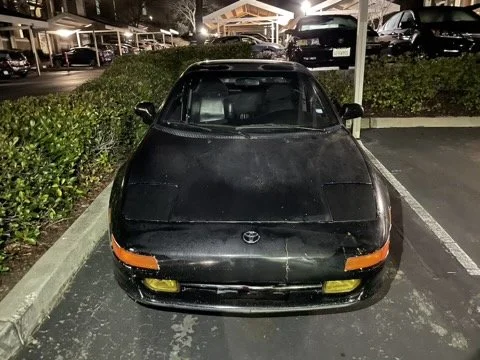
I was looking for a seventh-generation Toyota Celica when I came across a surprisingly clean 1991 MR2. It was a base model with the naturally aspirated 5S-FE, an automatic transmission and a blue cloth interior. I hadn't really considered an MR2 before, but finding that car sent me down the rabbit hole.
The more I learned about the SW20, the more interesting it became. Toyota had built a mid-engine, rear-wheel-drive sports car in the 1990s, offered it from the factory with a turbocharged 3S-GTE and gave it all the things I loved about cars from that era … pop-up headlights, simple analog controls and a driving experience that still felt mechanical. Coming from Toyota, a brand I already respected for reliability, the whole package really appealed to me.
At the same time, I thought there was a lot of room for improvement in regards of the way the car looked. I liked the shape and proportions, but personally I didn’t think the stock MR2 was that good looking. What I saw was potential. I started imagining what the car could look and feel like if I kept everything I liked about the original and updated the areas I thought could be better.
——————————————————————————
That became the direction for pHa2e:
modernize it, personalize it and beautify it without losing what made a '90s MR2 special.
——————————————————————————
The build grew from there. The automatic eventually gave way to an E153 manual transmission, the 5S-FE was upgraded to a Gen 4 3S-GTE, the suspension and brakes were completely reworked, the blue interior eventually became black, and the exterior changed piece by piece as I figured out exactly how I wanted the car to look.
Some of those decisions took years. Some came from finding the right part at the right time, and others involved making something because what I wanted didn't exist. The car we have today wasn't something I had completely mapped out when I bought it. My taste changed, the car changed with it, and each version influenced what came next.
——————————————————————————
ENGINE & DRIVETRAIN
——————————————————————————
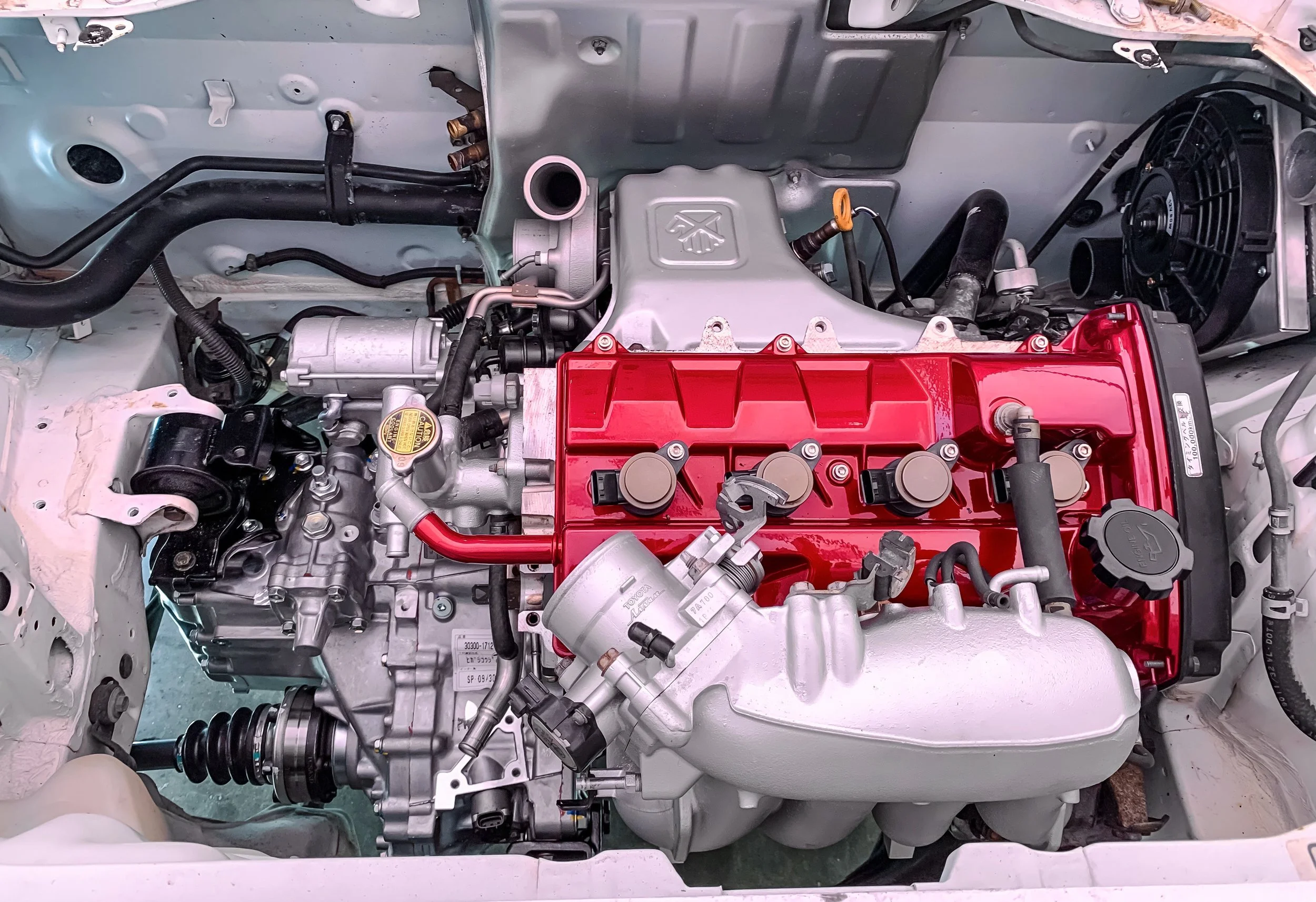
One of the biggest changes came when the original 5S-FE and automatic transmission were removed and the car was converted to a turbocharged manual setup.
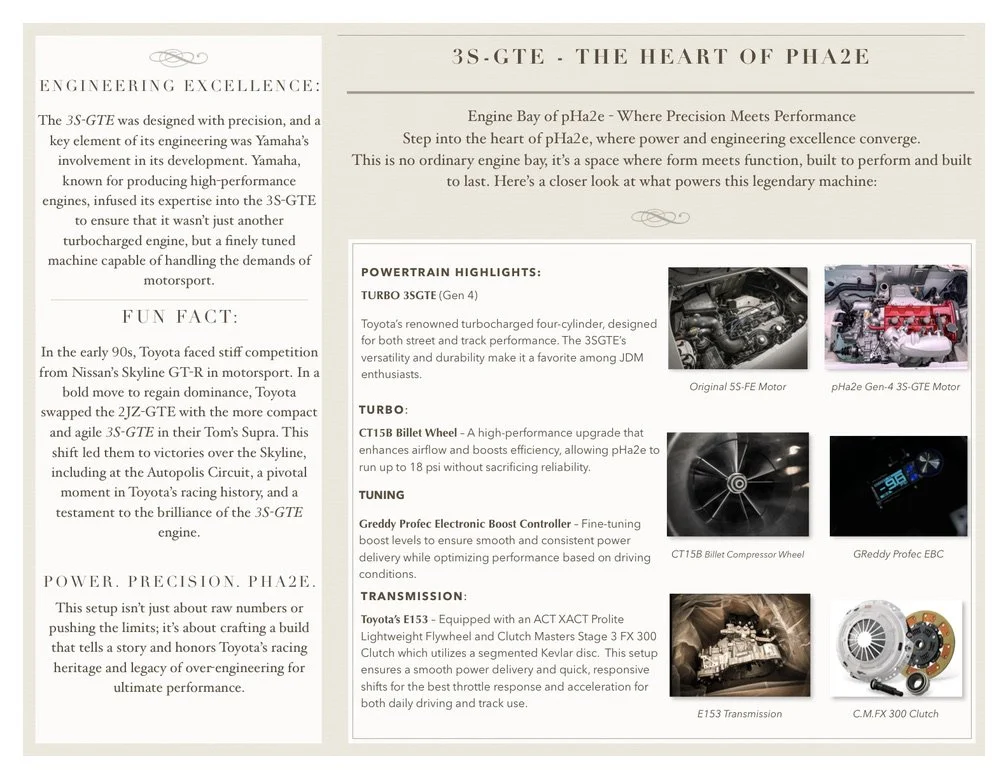
I chose Toyota's fourth-generation 3S-GTE, an engine that felt appropriate for the car because it kept the build within the Toyota family while giving the MR2 the performance I wanted. The engine currently uses a CT15B turbo upgraded with a billet compressor wheel and runs up to approximately 18 psi. The setup makes roughly 320 horsepower at the wheels, which is plenty in a car this size and weight.
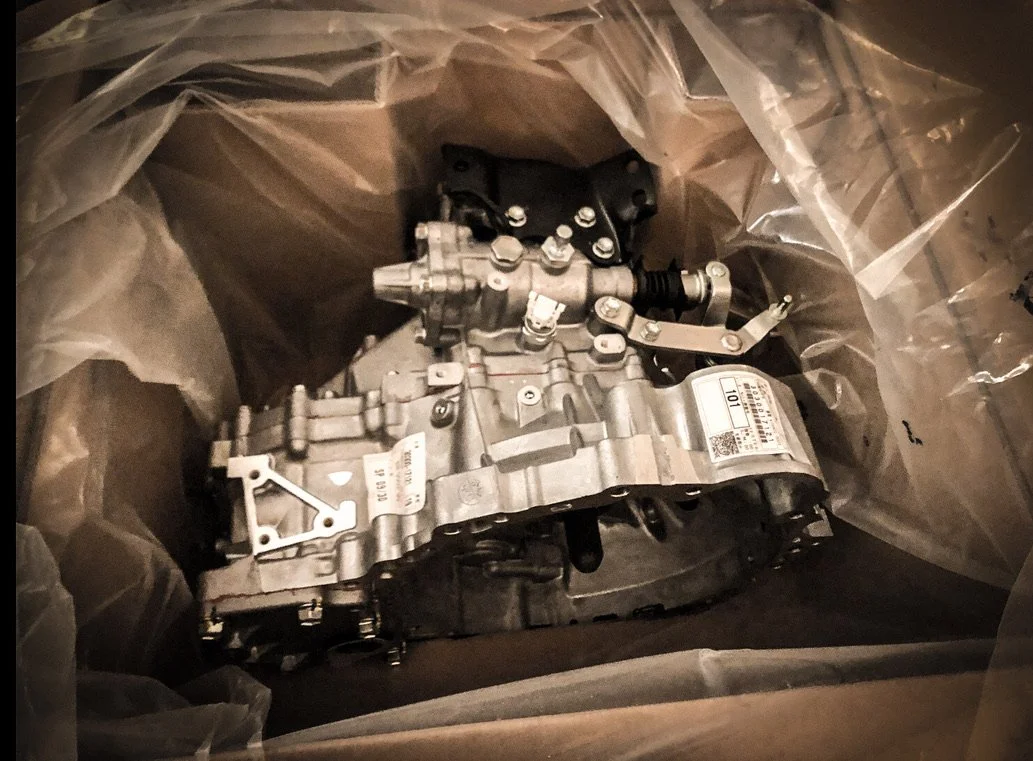
The automatic was replaced with Toyota's E153 five-speed manual transmission, paired with an ACT XACT Prolite flywheel and Clutch Masters Stage 3 FX300 clutch. Boost is controlled through a GReddy Profec electronic boost controller.
I've intentionally kept the engine setup relatively straightforward. The goal has been a responsive street car that I can actually drive and enjoy rather than chasing a dyno number.
——————————————————————————
SUSPENSION, WHEELS & BRAKES
——————————————————————————
Once the car had substantially more power, I wanted the rest of the chassis to feel equally sorted.
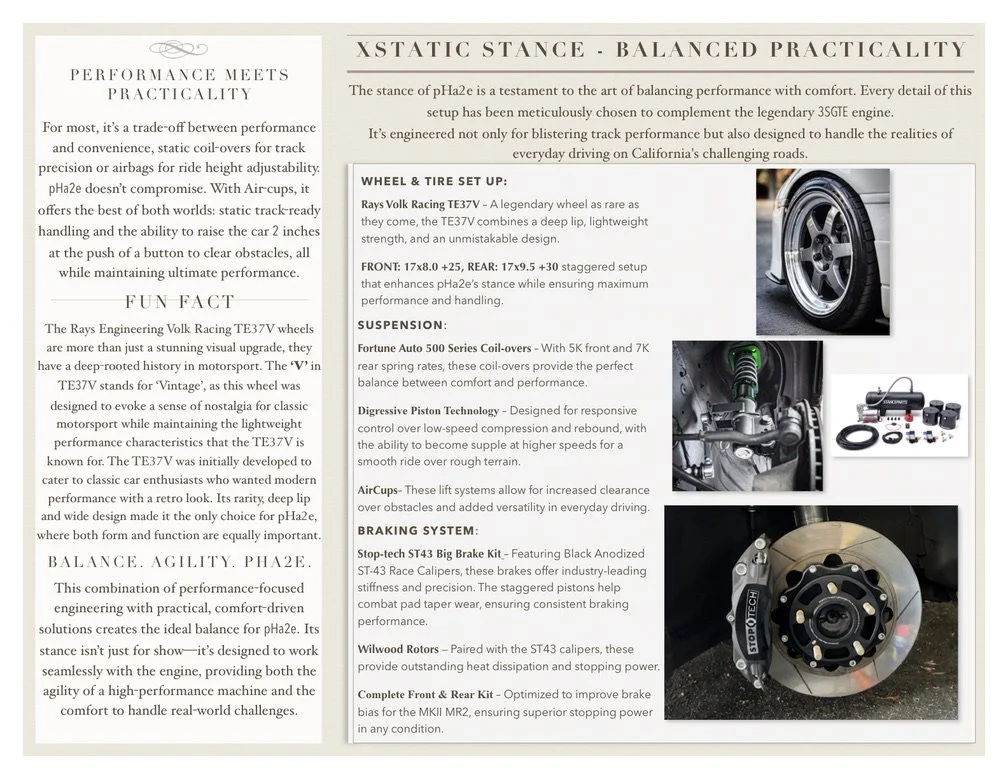
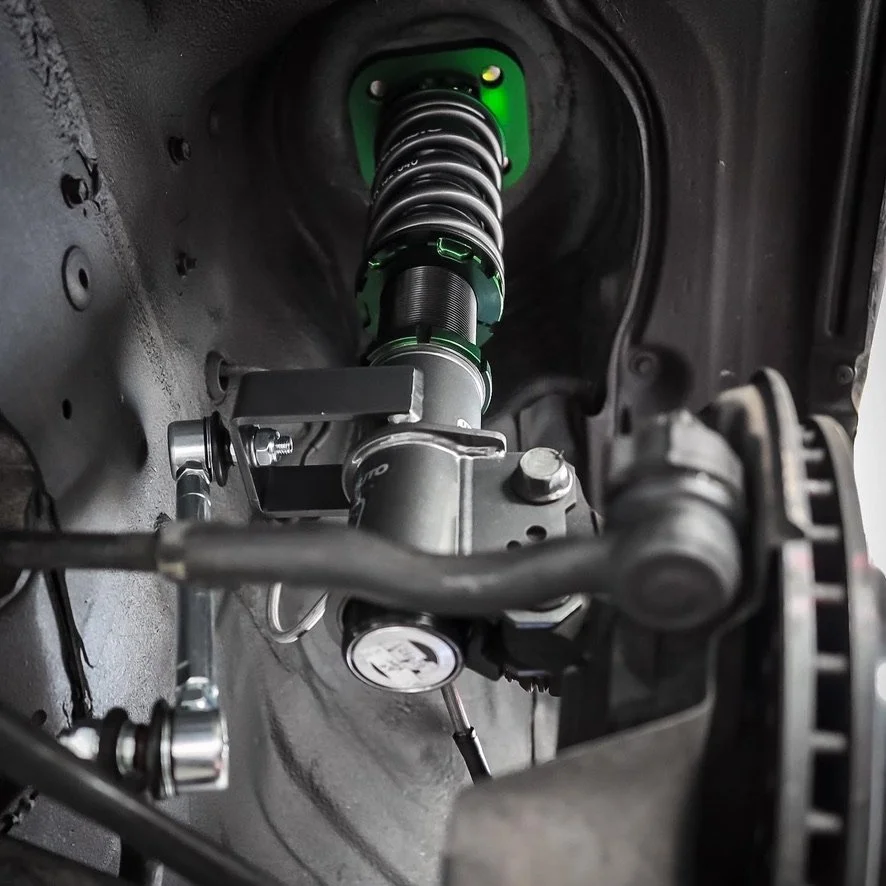
The suspension uses Fortune Auto 500 Series coilovers with 5K front and 7K rear spring rates, along with Whiteline front and rear sway bars. I also added a Stanceparts AirCup system, which gives the front of the car roughly two inches of temporary lift.
The AirCups have probably been one of the most useful modifications I've made. The car can sit at the height I want without making every driveway, speed bump or steep entrance in Los Angeles an event.
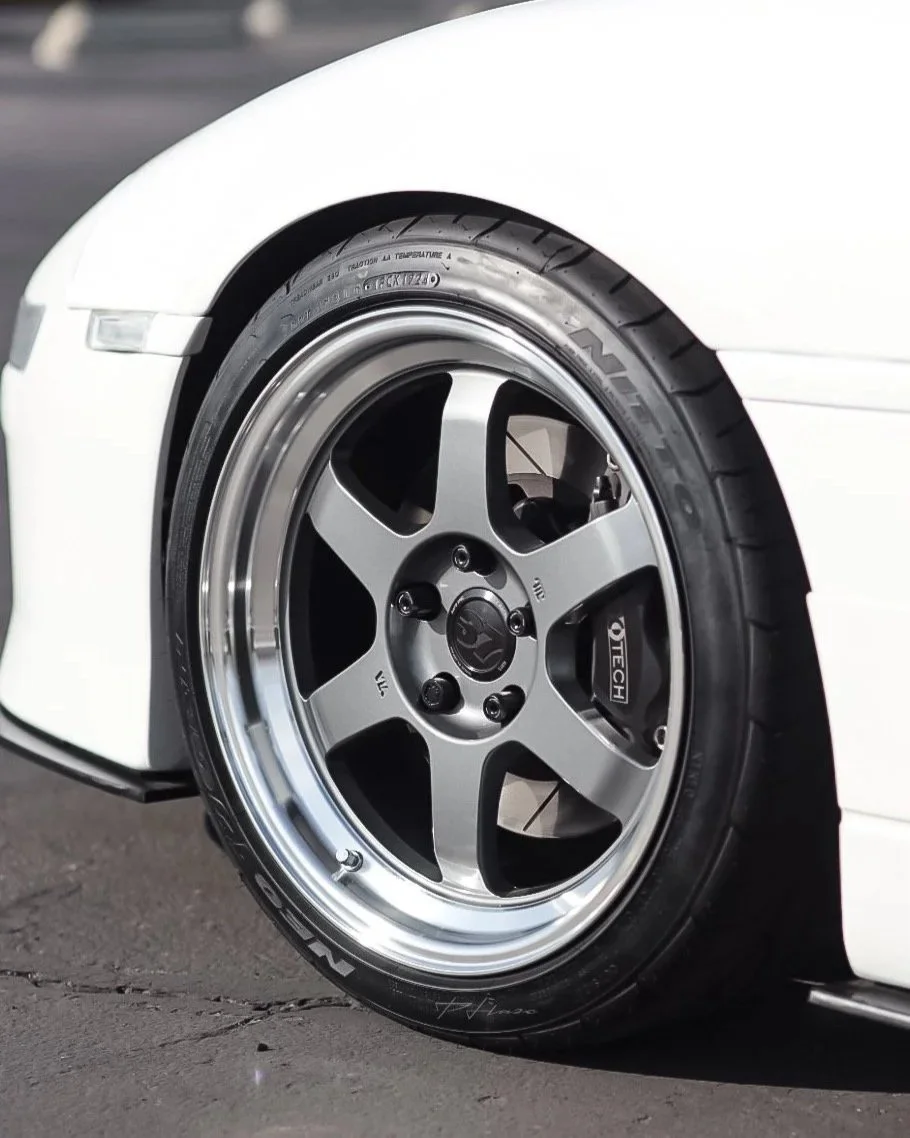
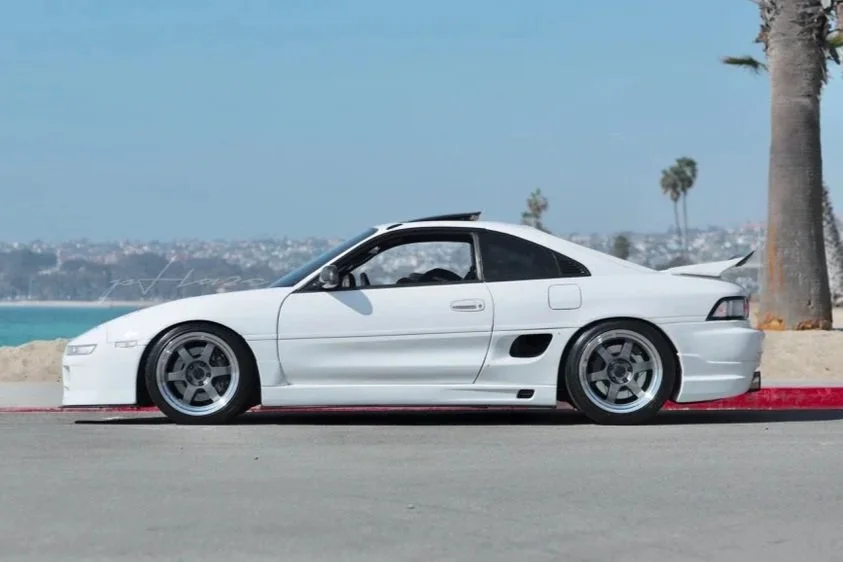
The wheels are RAYS Volk Racing TE37V, 17×8 +25 in the front and 17×9.5 +30 in the rear. I specifically wanted TE37Vs because they have the classic stepped-lip appearance that works with a car from this era while still being a legitimate performance wheel.
Braking was upgraded with a StopTech ST43 big brake kit and Wilwood rotors. With a mid-engine car making considerably more power than it did when it left the factory, I wanted the braking and suspension to receive the same attention as the engine.
——————————————————————————
EXTERIOR
——————————————————————————
The exterior probably took the longest for me to figure out because I wanted to change the appearance of the car without losing the basic SW20 shape that attracted me to it.
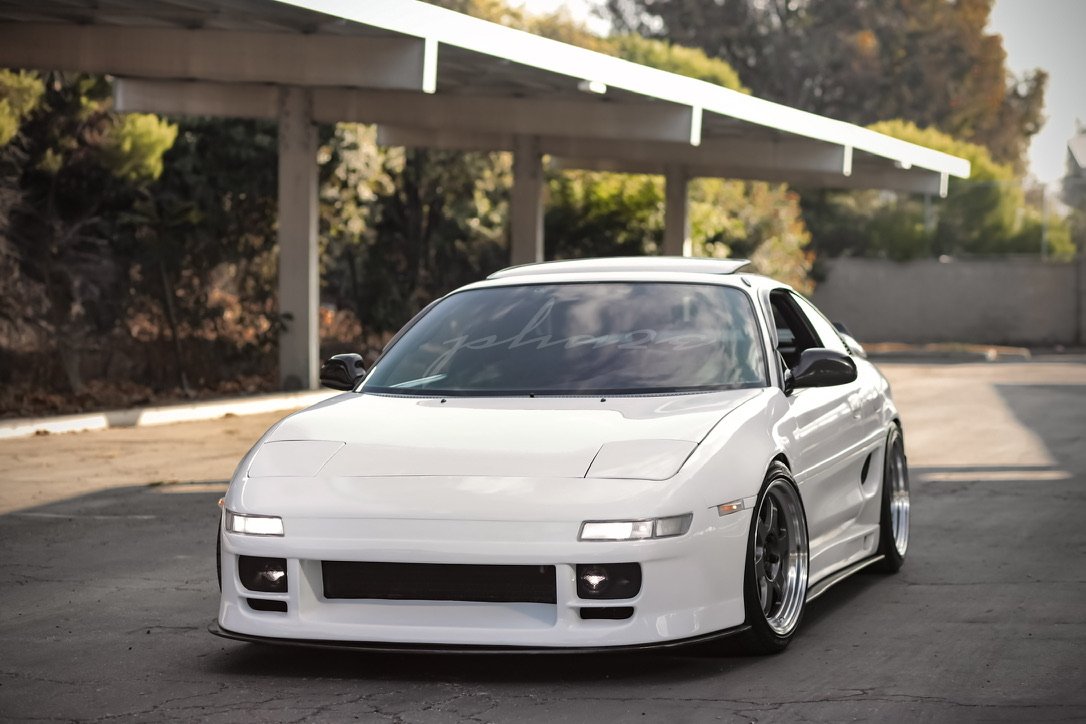
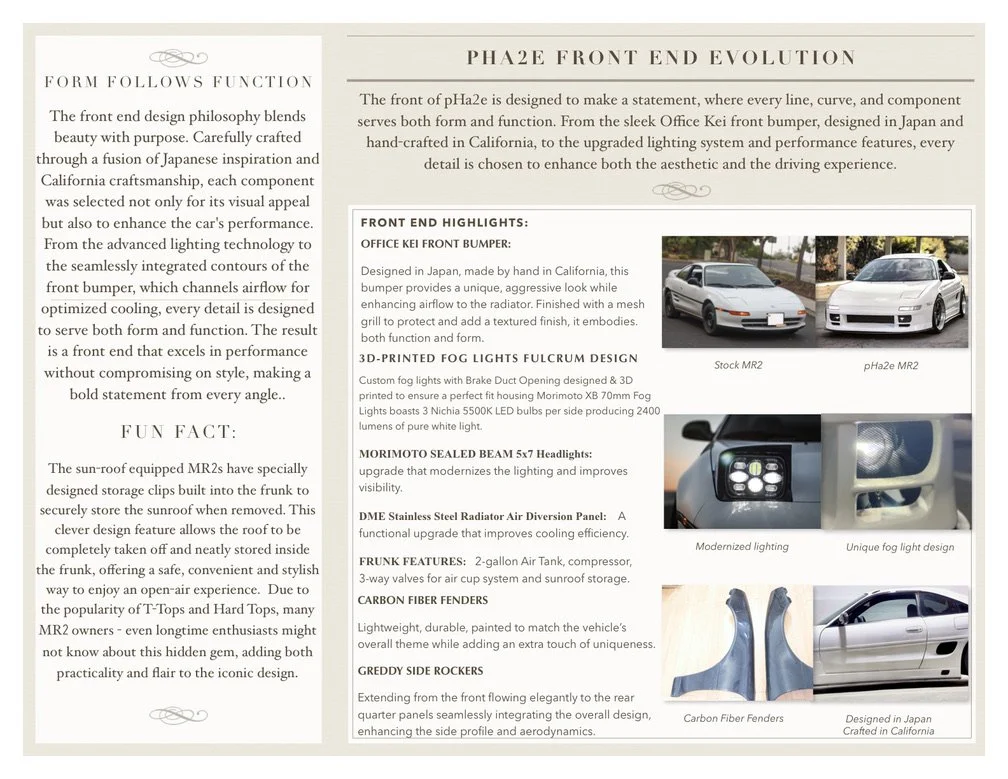
The front end eventually came together around an Office Kei front bumper. The design originated in Japan, and my bumper was hand-finished in California. It changed the proportions of the front dramatically and finally gave me the cleaner, wider appearance I had pictured for the car.
The front also uses carbon-fiber fenders and GReddy side rockers. The pop-up headlights stayed because they're such an important part of the MR2's personality, but the lighting itself was modernized with Morimoto sealed-beam LEDs.
One of my favorite small details is the fog-light setup. The housings were custom designed around Morimoto XB 70mm lights and 3D printed to fit the Office Kei bumper. Details like that became increasingly important as the build progressed because I wanted the finished pieces to look integrated rather than improvised.
There's also a stainless-steel radiator air-diversion panel behind the front end to help direct airflow through the radiator, while the frunk houses the AirCup tank, compressor and valves along with the factory sunroof storage.
——————————————————————————
REAR END
——————————————————————————
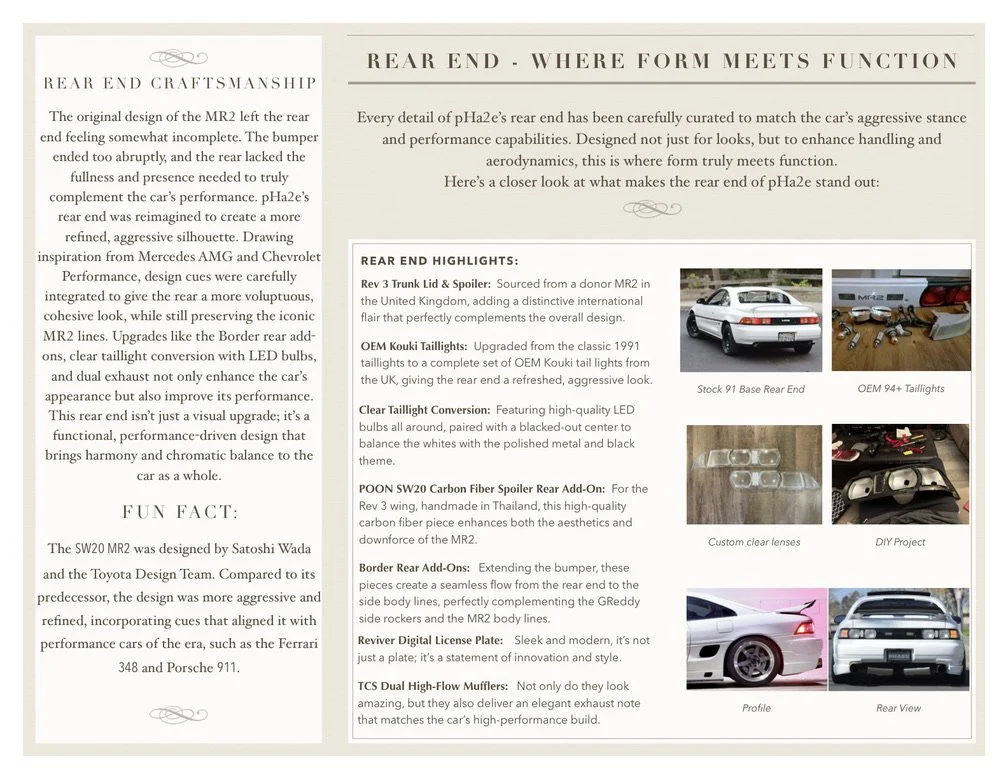
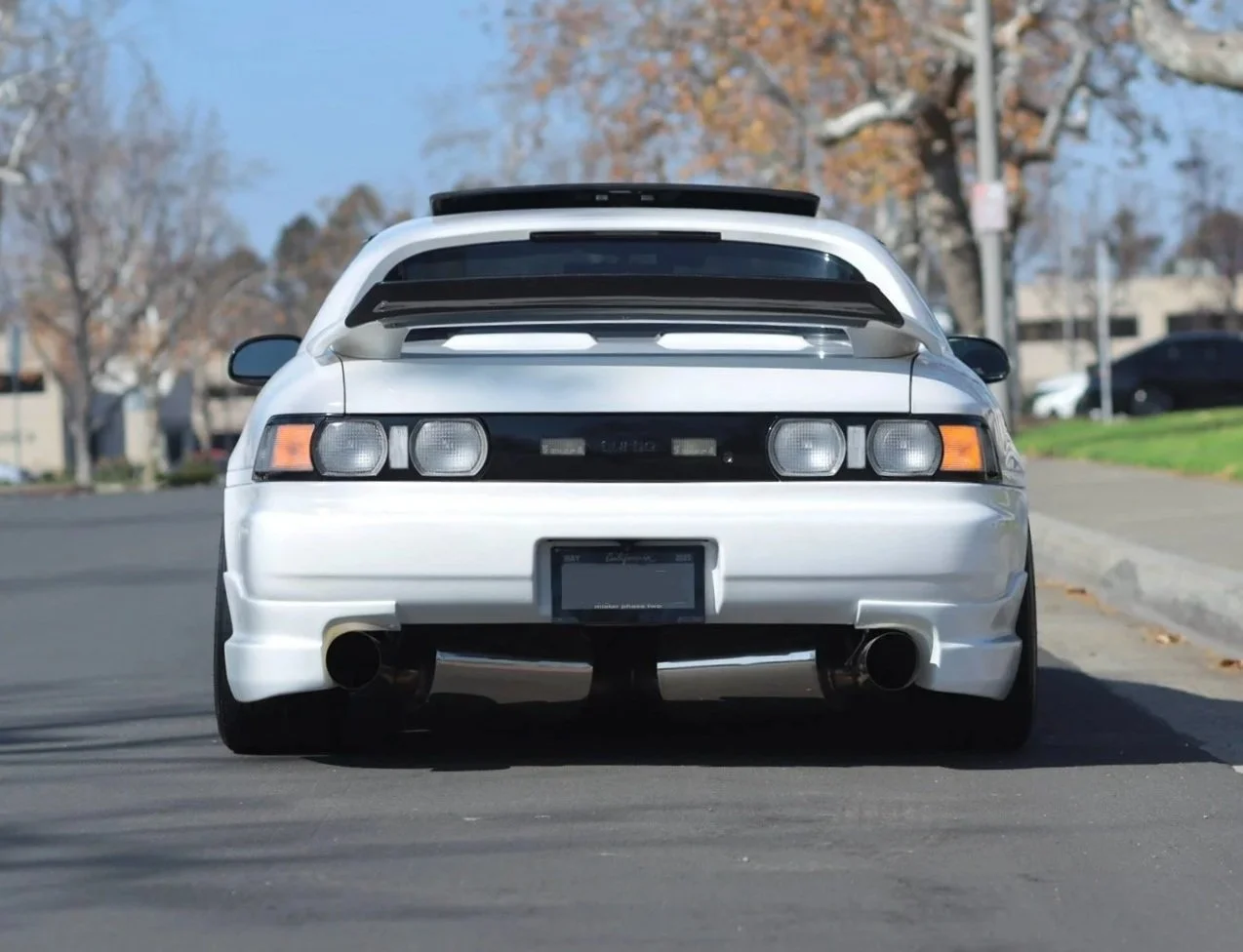
The rear was another area I kept revisiting. I always felt the original rear bumper ended too abruptly and that the car could use a little more visual weight in the back.
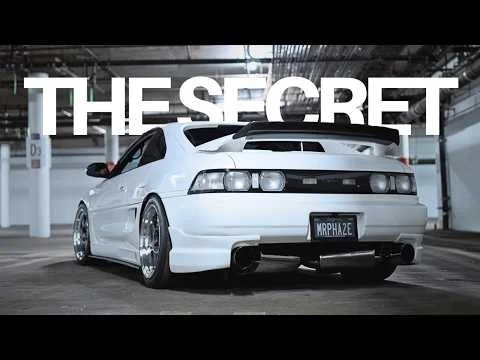
I eventually converted the car to a Revision 3 trunk lid and spoiler, sourced from a donor MR2 in the United Kingdom. The original 1991 taillights were replaced with OEM Kouki lights, which were then converted to clear lenses with LEDs and a blacked-out center section.
The rear bumper uses Border add-ons to extend the lower body line, and the spoiler has a POON SW20 carbon-fiber rear add-on that came from Thailand. The exhaust exits through a pair of TCS high-flow mufflers, which helped give the rear the symmetry I wanted.
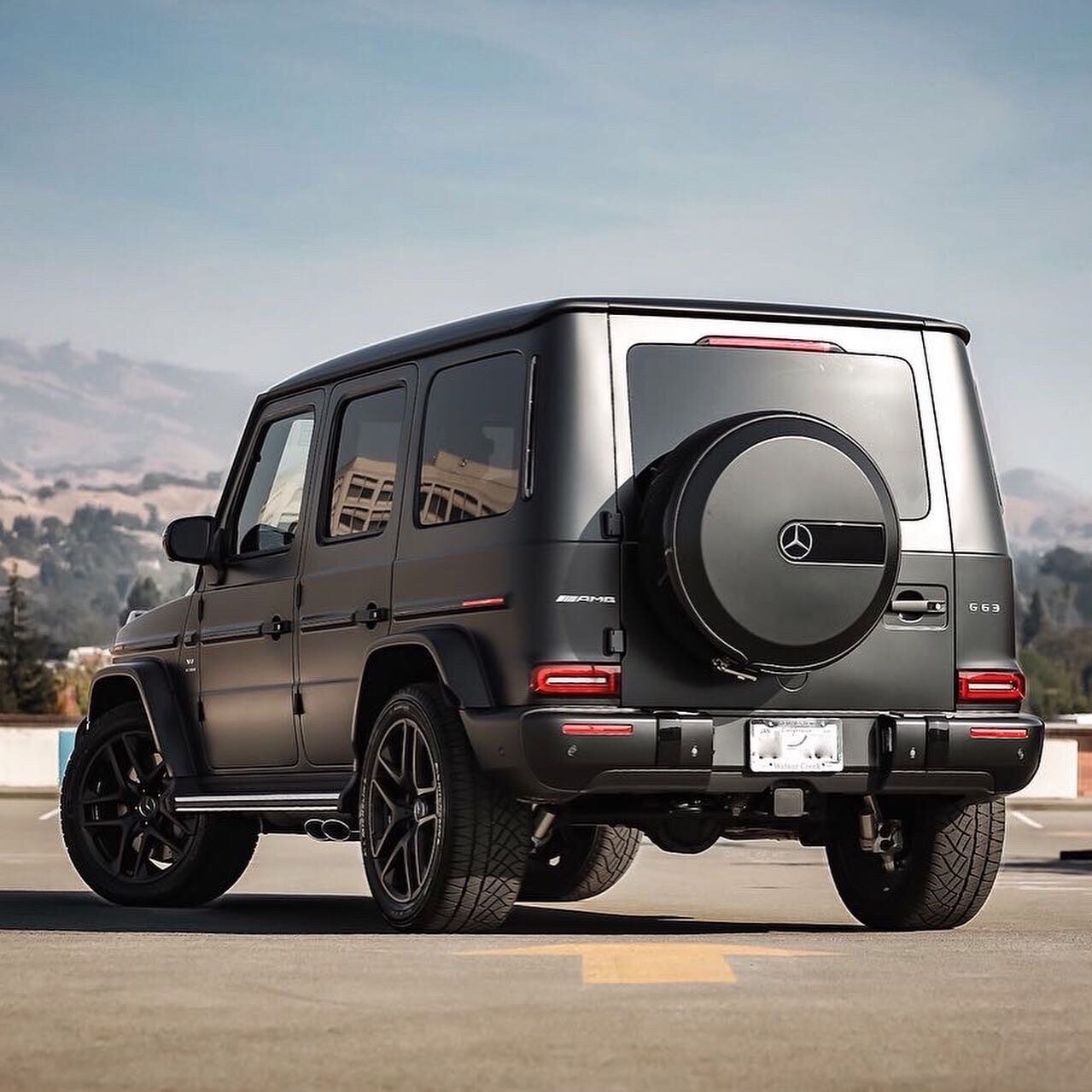
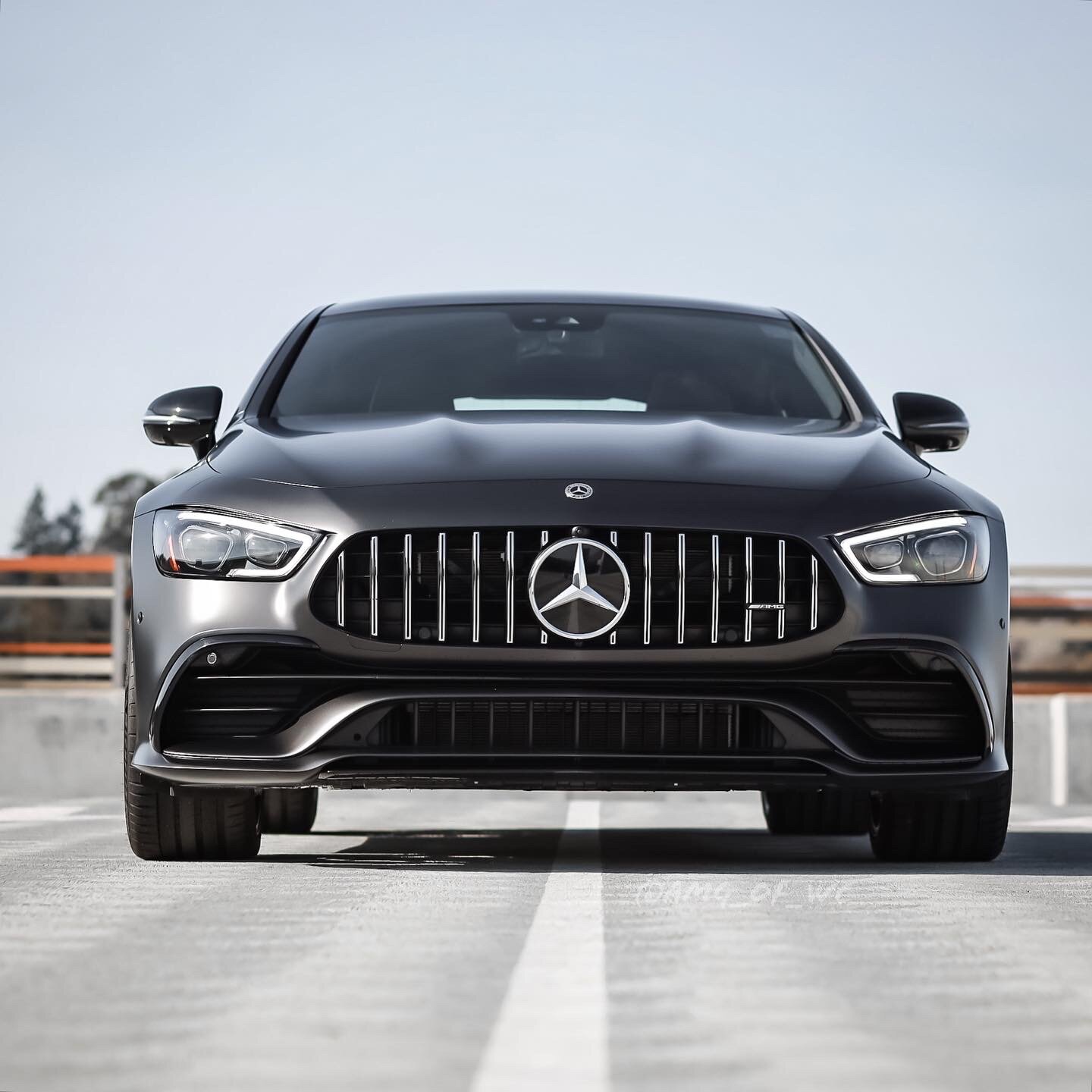
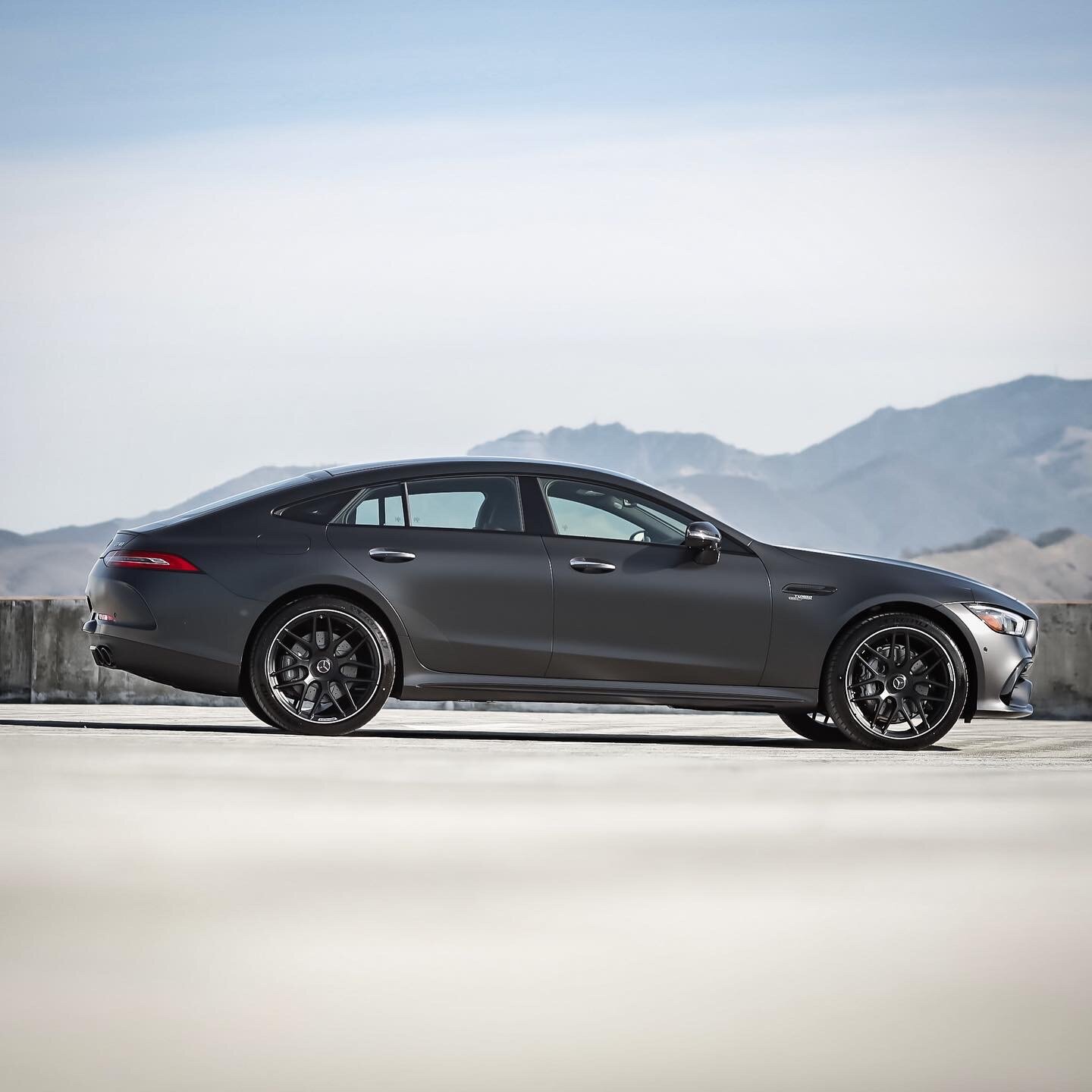
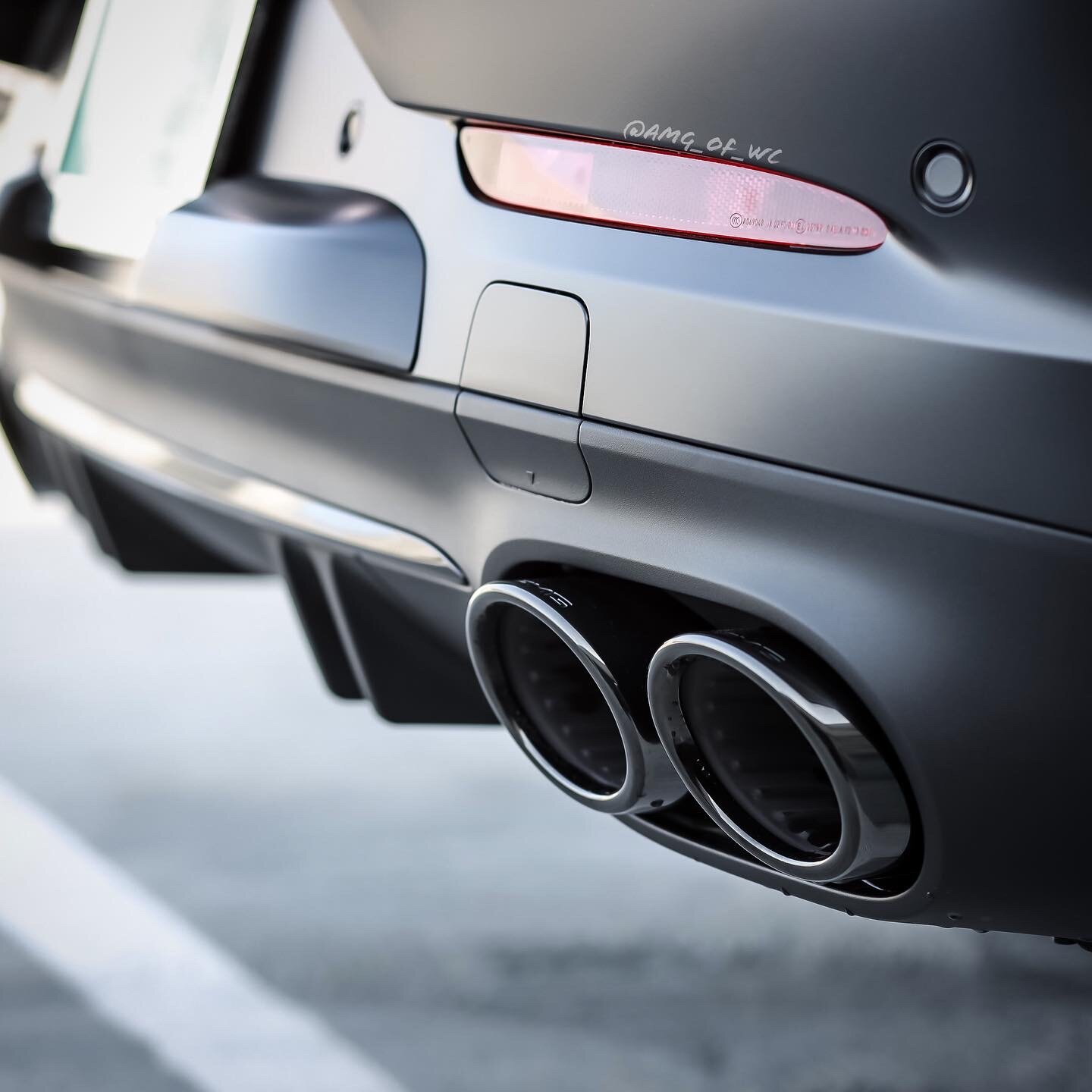
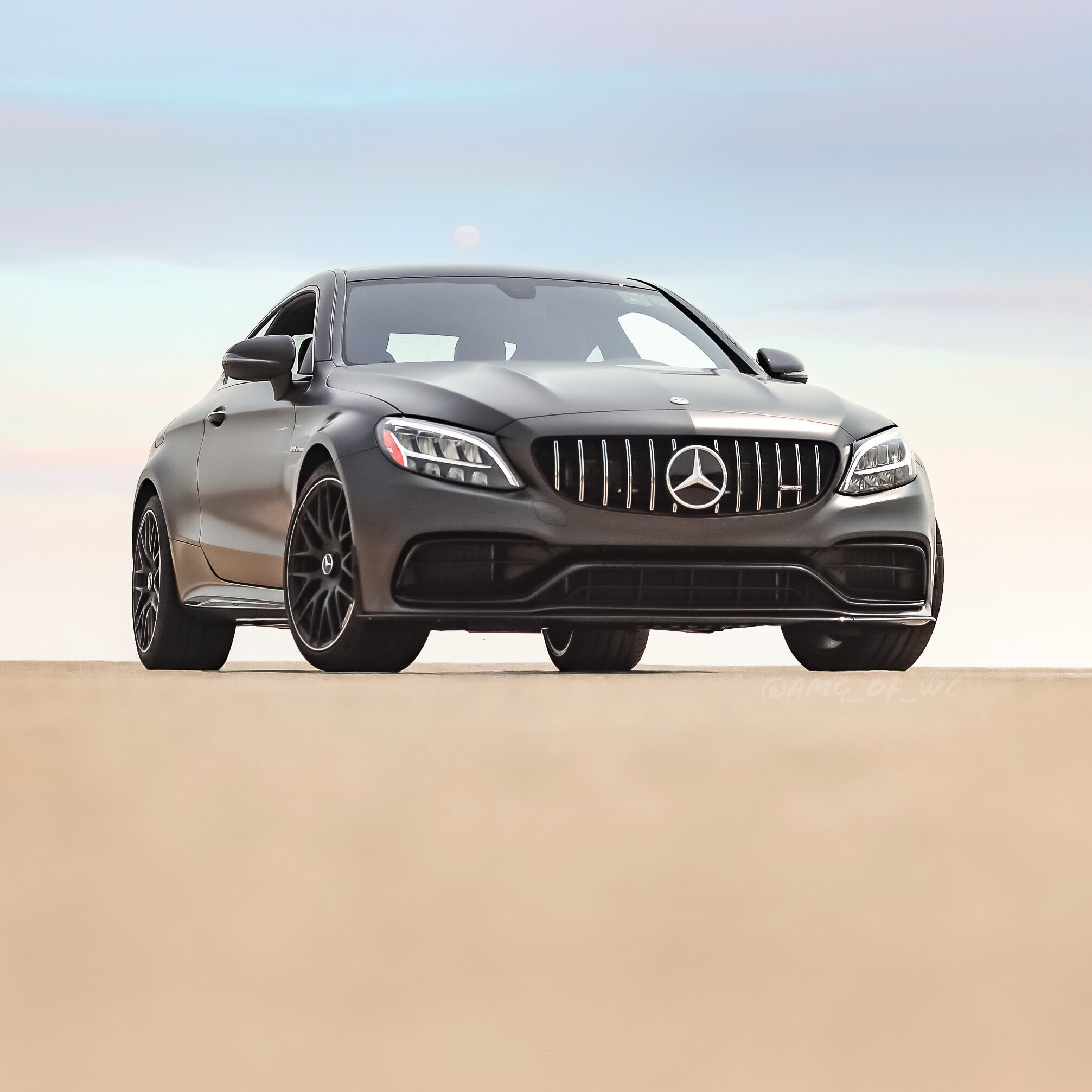
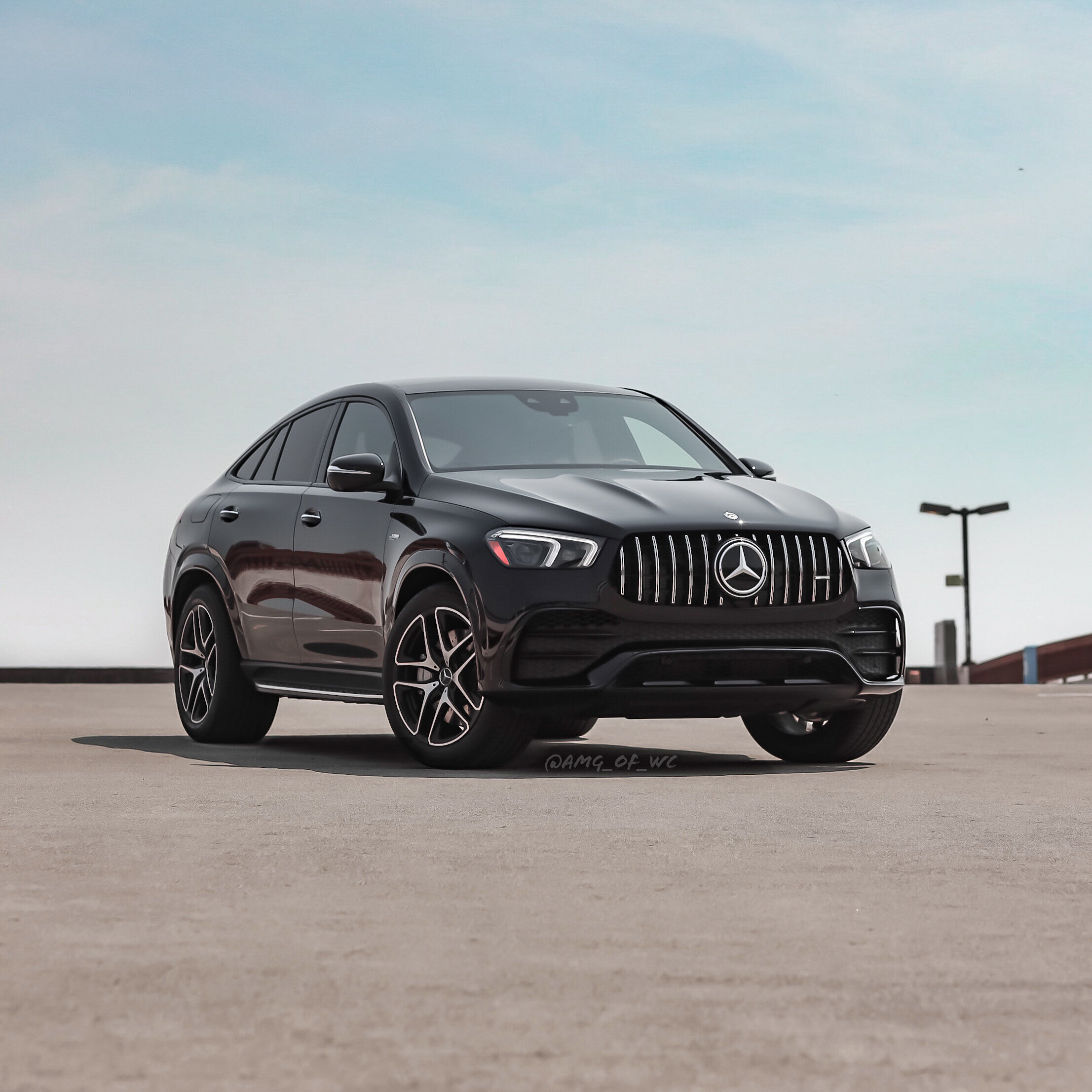
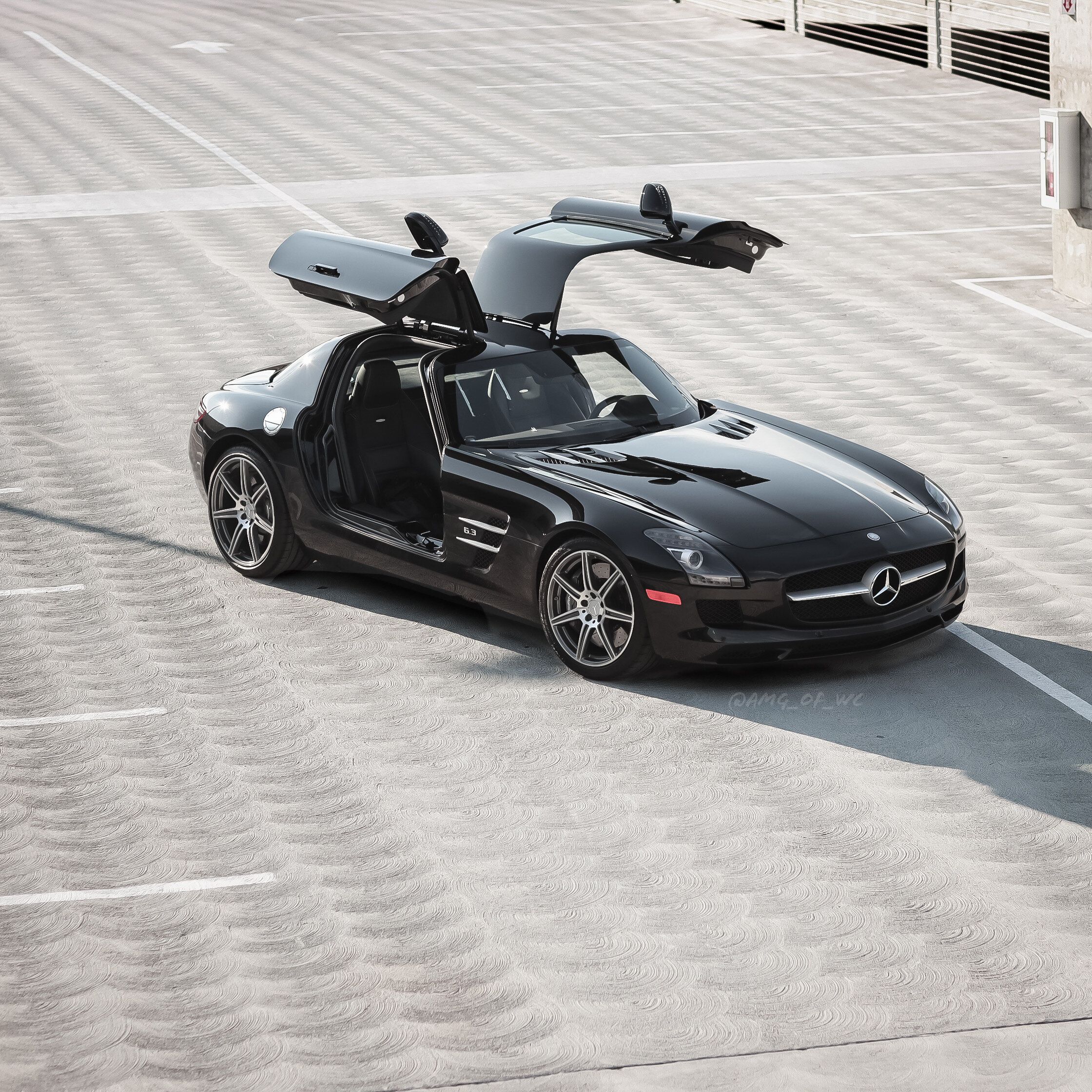
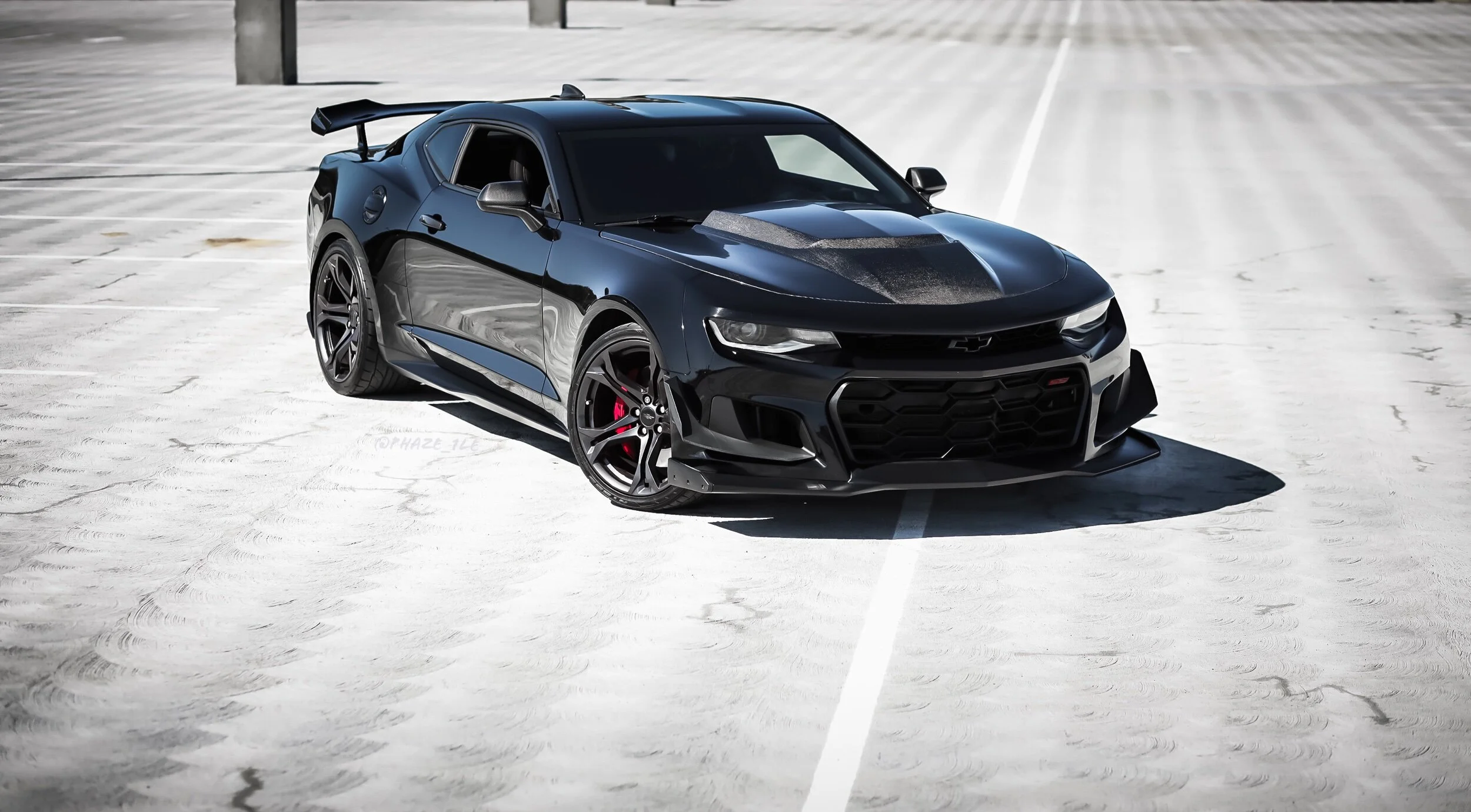
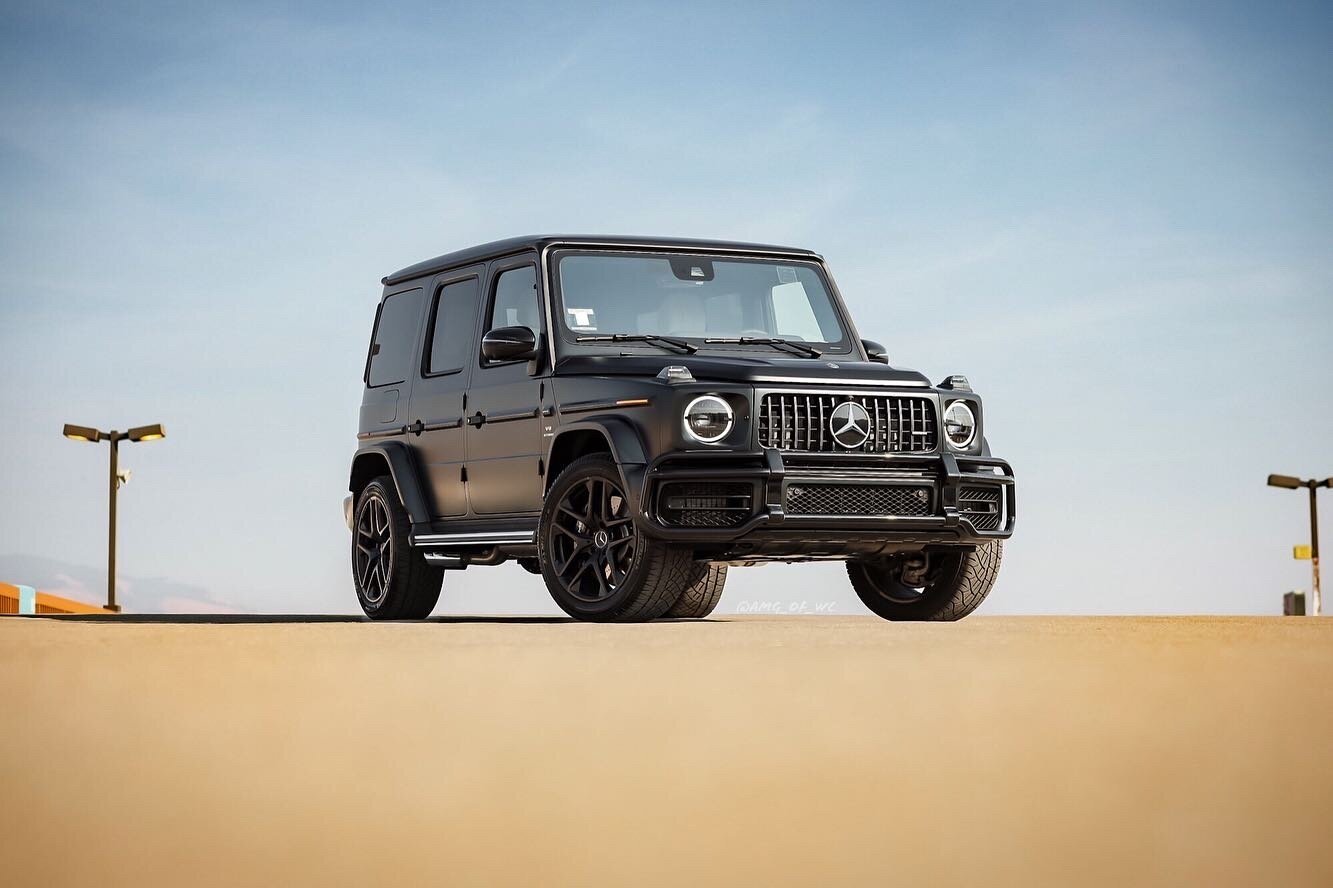
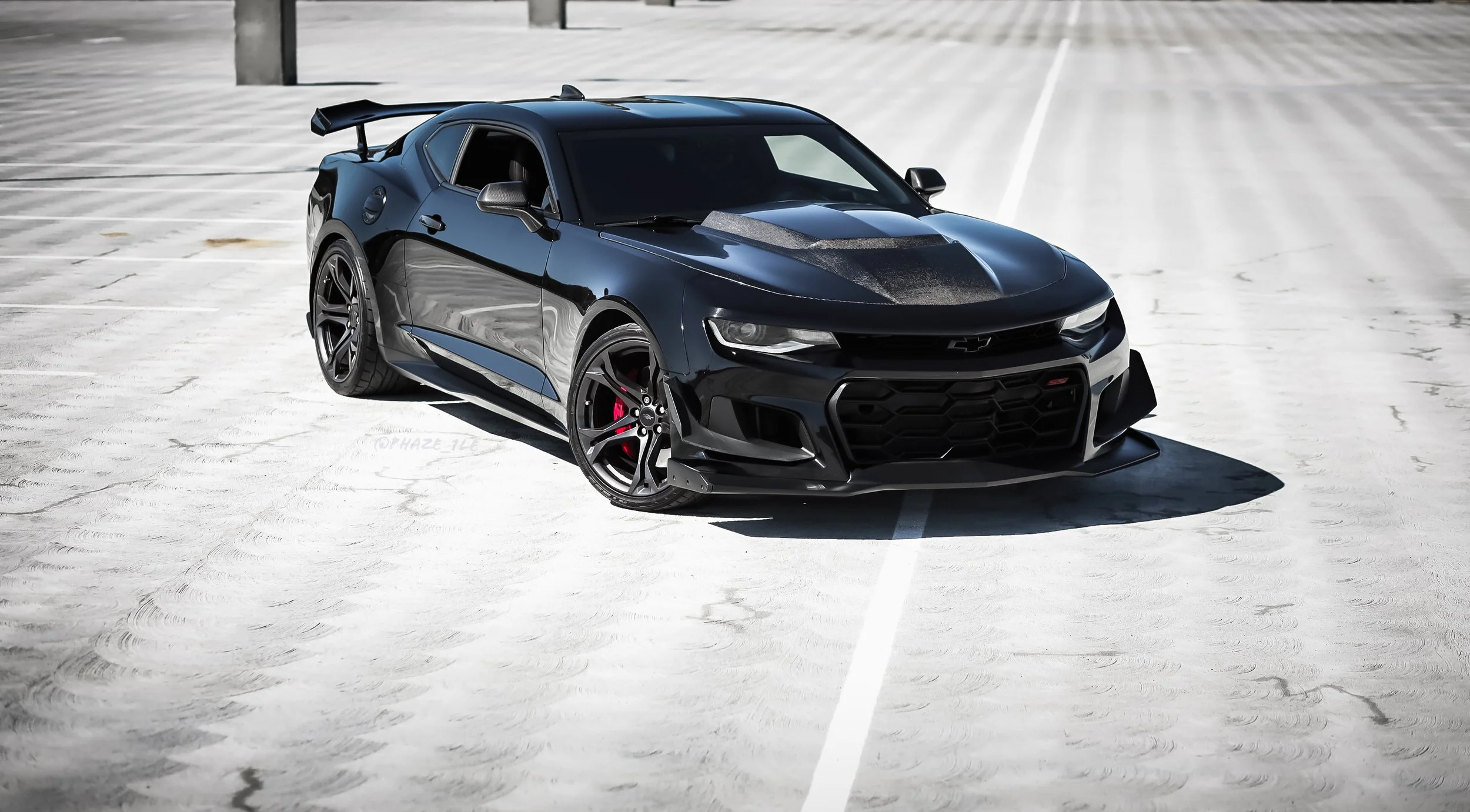
This part of the car was influenced by years of looking at newer performance cars as well. My experience around Mercedes-AMG and Chevrolet Performance cars gave me an appreciation for wider, fuller rear proportions, and some of that thinking found its way into how I approached the MR2.
——————————————————————————
INTERIOR
——————————————————————————
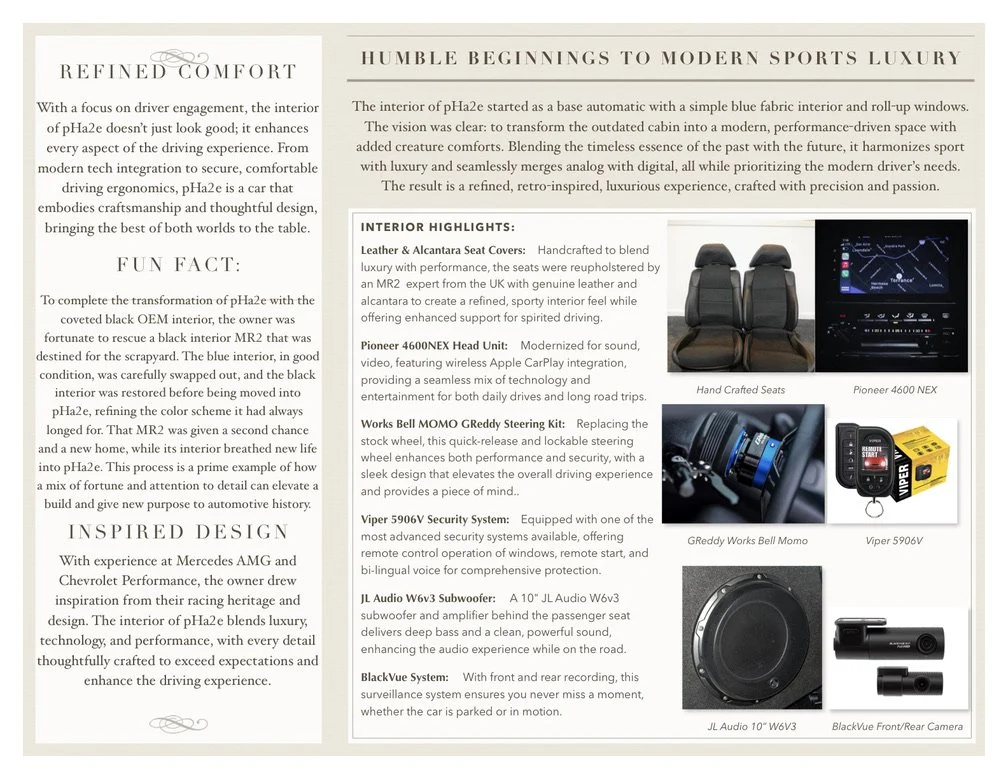
The interior has probably gone through one of the most dramatic transformations because the car started with a very basic blue cloth interior and manual roll-up windows.
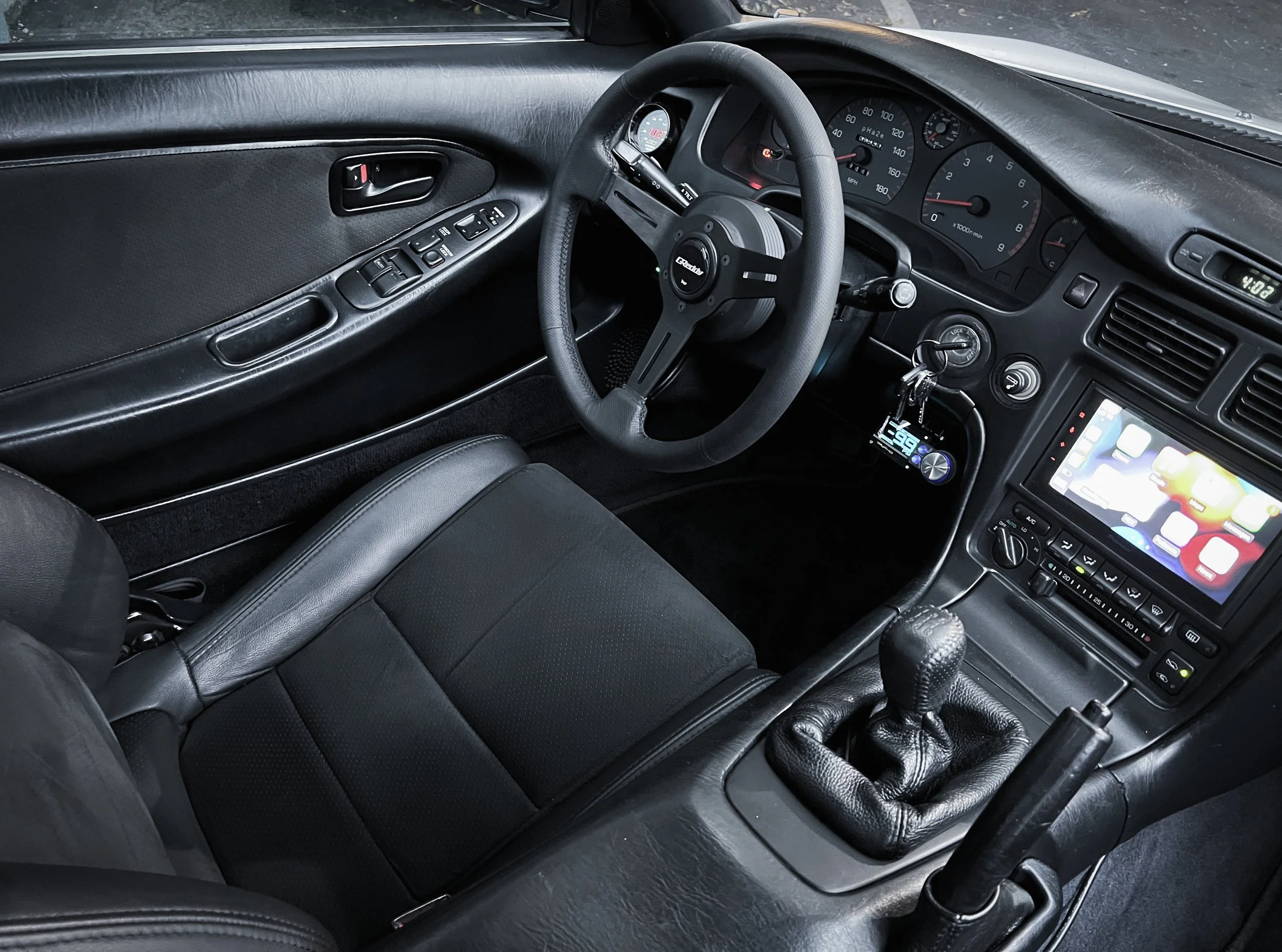
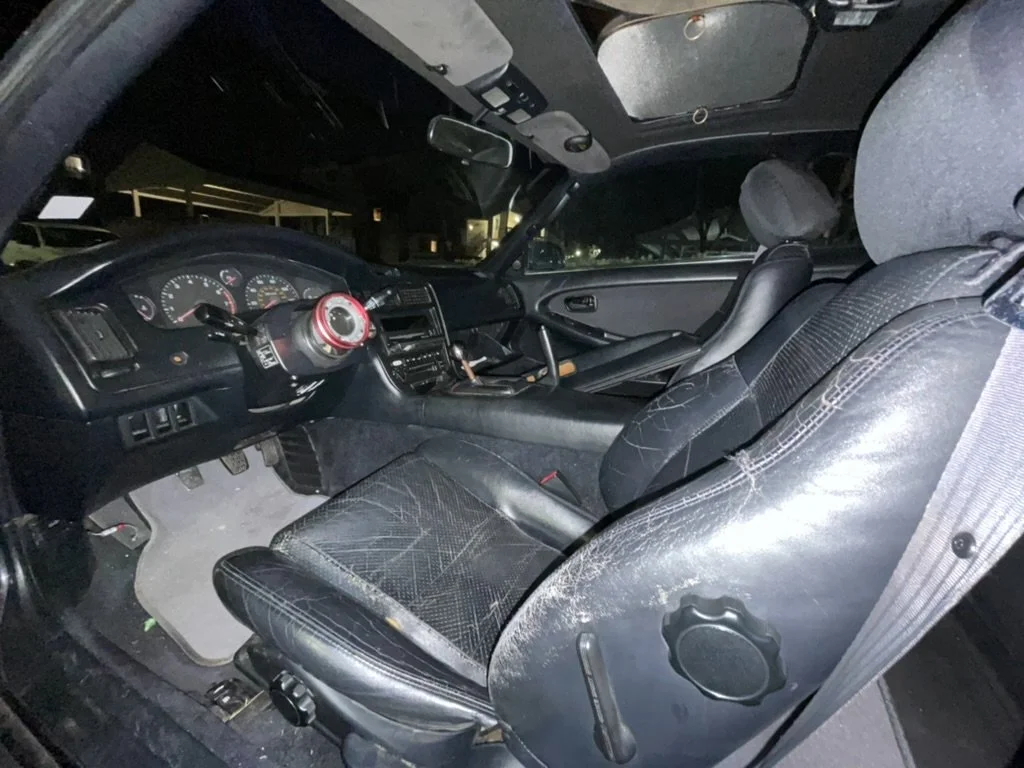
For a long time I worked with the blue interior, but I always felt a black interior would better suit where the rest of the car was heading. Eventually I came across another MR2 with a complete black interior that was destined for the scrapyard.
We removed the blue interior from pHa2e while it was still in good condition, restored the black pieces and transferred them into the car. I liked the fact that usable parts from an MR2 that wasn't going to survive could become part of this one.
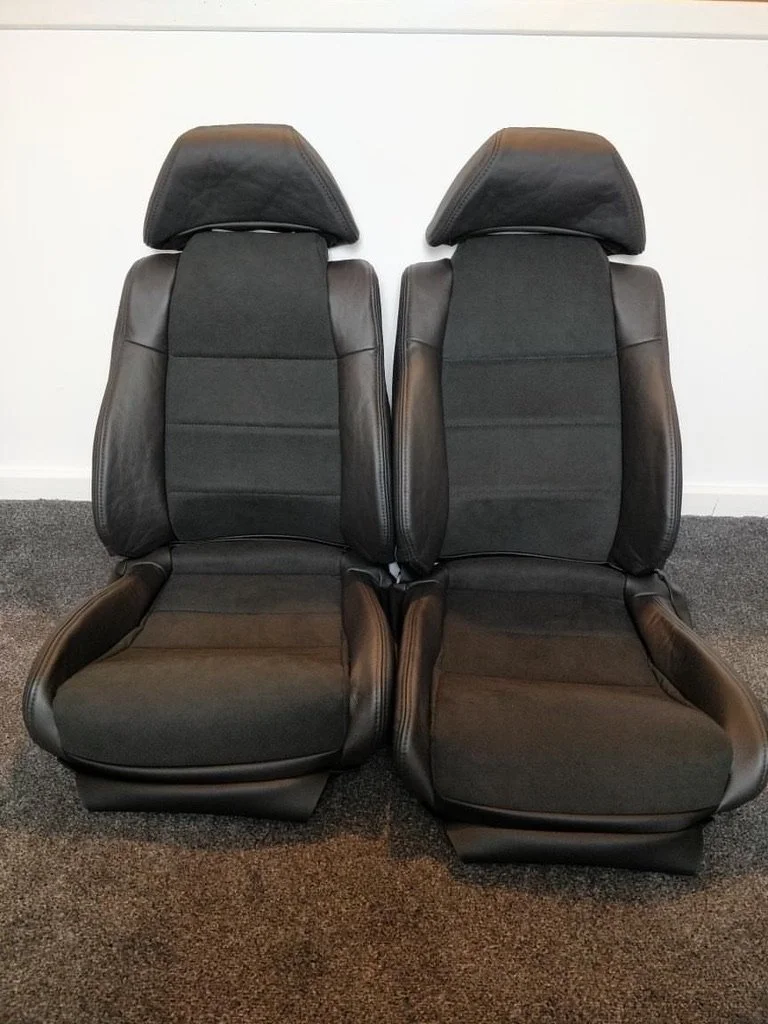
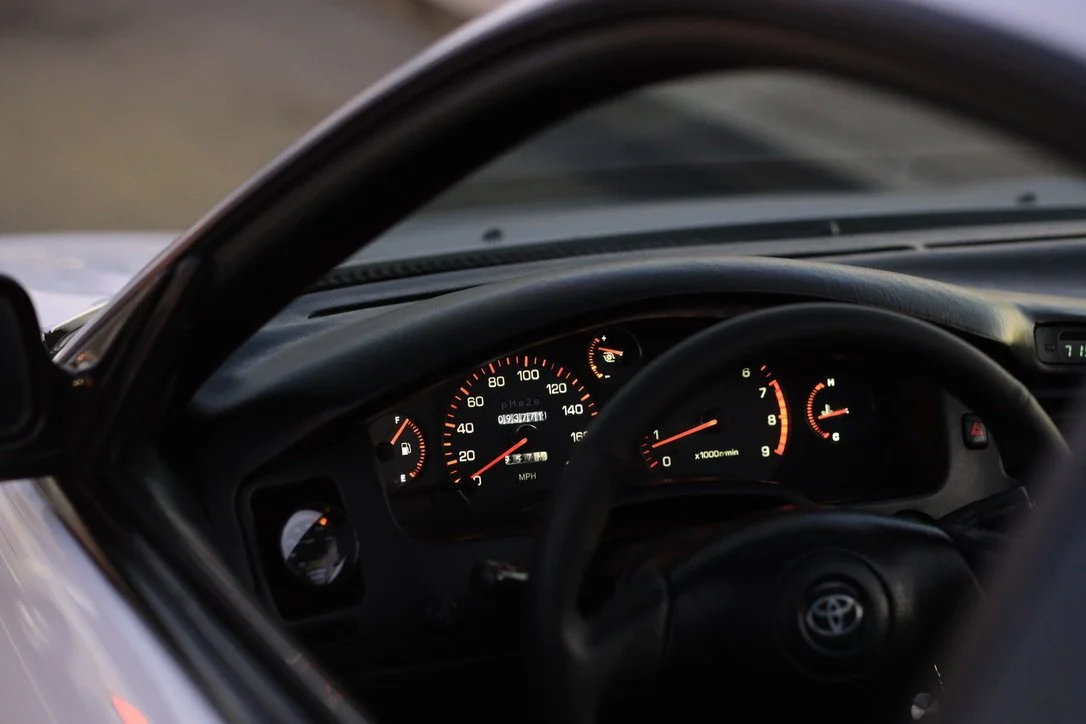
The seats were reupholstered in genuine leather and Alcantara by an MR2 specialist in the UK. The steering setup combines Works Bell, MOMO and GReddy components, including a quick-release and locking system.
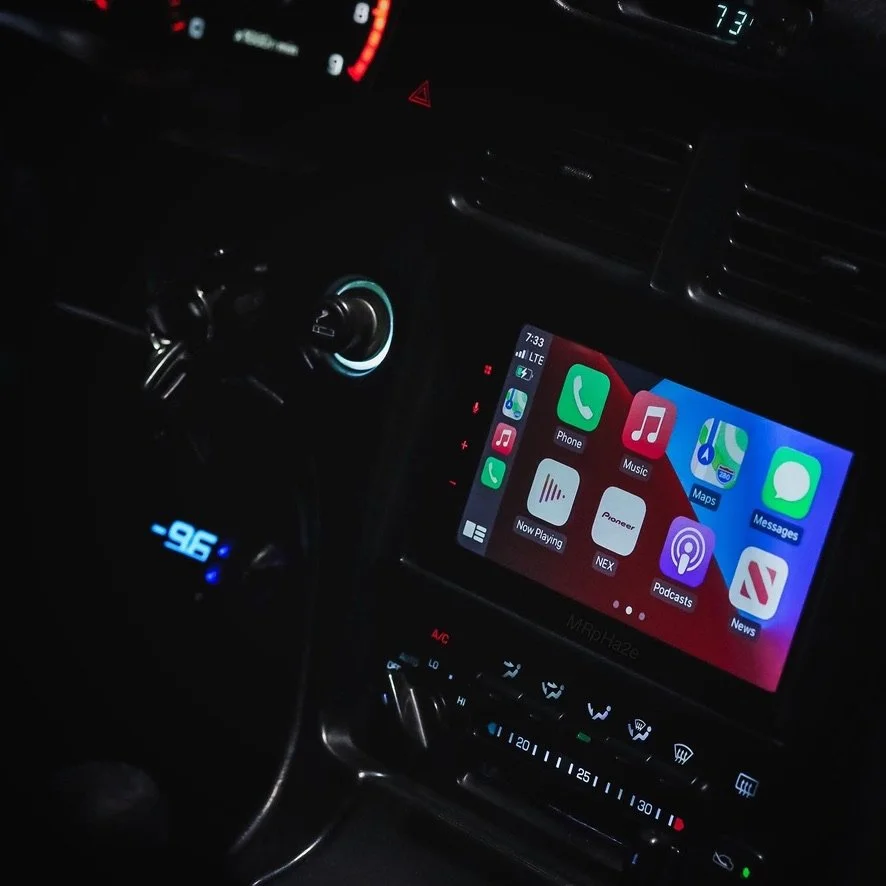
I also wanted modern conveniences without completely changing the character of the cabin. A Pioneer 4600NEX provides wireless Apple CarPlay, a JL Audio W6v3 10-inch subwoofer sits behind the passenger seat, and the car has a Viper 5906V security system along with front and rear BlackVue cameras.
I still wanted to sit inside and immediately know I was driving a car designed in 1990. I just wanted the things I interact with every day to feel more current.
——————————————————————————
pHa2e & LS2026🥀
——————————————————————————
As the build developed, pHa2e also became connected to my work as a filmmaker.
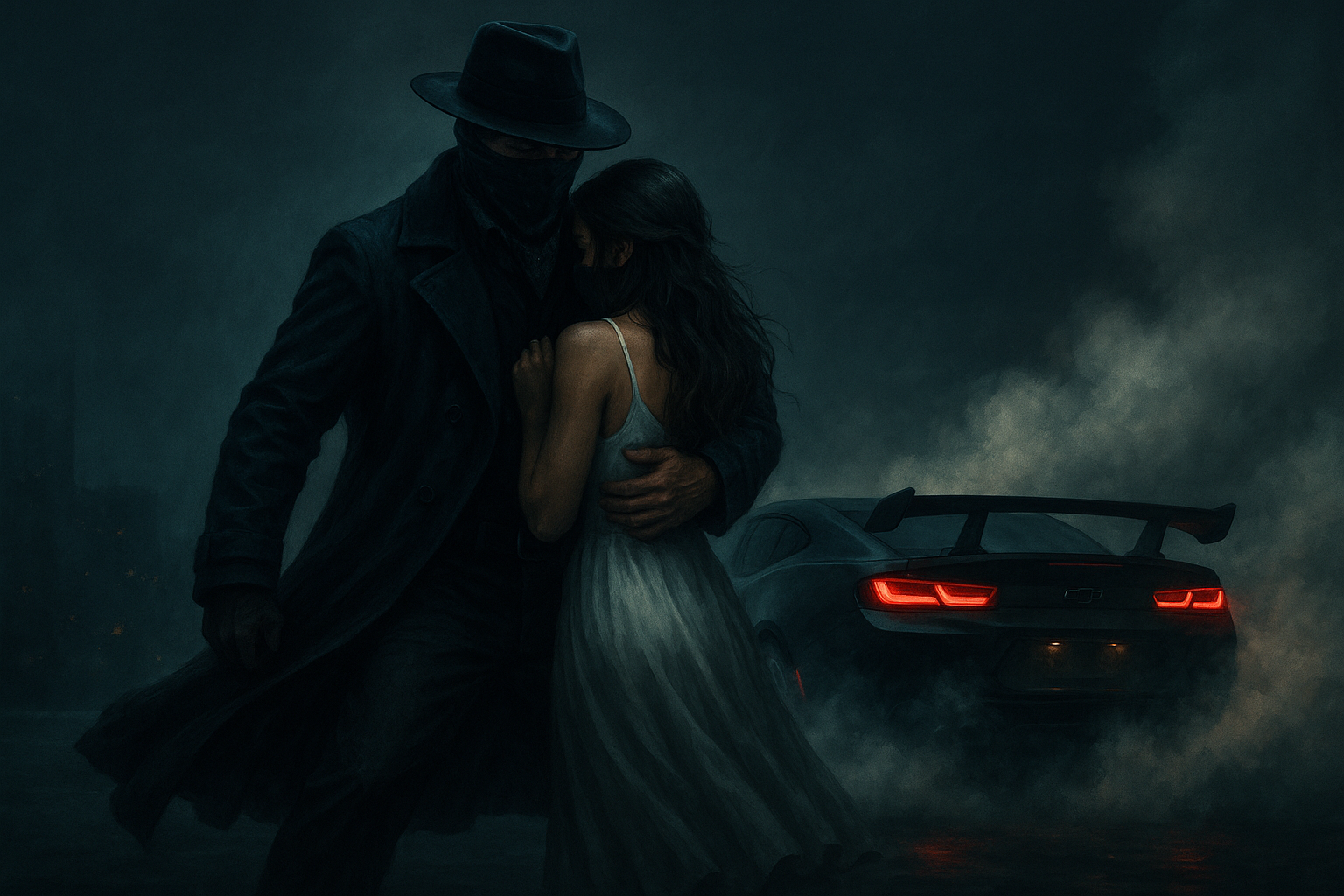
I'm currently developing LS2026🥀, a feature film set primarily in Los Angeles, and the MR2 will be used as one of the main character's car.
I've always paid attention to the cars filmmakers choose for their characters because the right car can quietly tell you something about the person driving it. For LS2026🥀, I wanted that relationship to feel authentic, and using a car I've actually built over the years gives me an opportunity to bring some of that real history into the film.
The MR2 also fits naturally into the visual world I'm creating for the movie. It's distinctly Japanese and unmistakably from another era, yet this particular car has been updated enough that it doesn't feel trapped in the past. That combination works well with the character and with some of the larger ideas in the story.
pHa2e will eventually make the transition from a car I've built and documented in real life to one that becomes part of a fictional story on screen.
——————————————————————————-
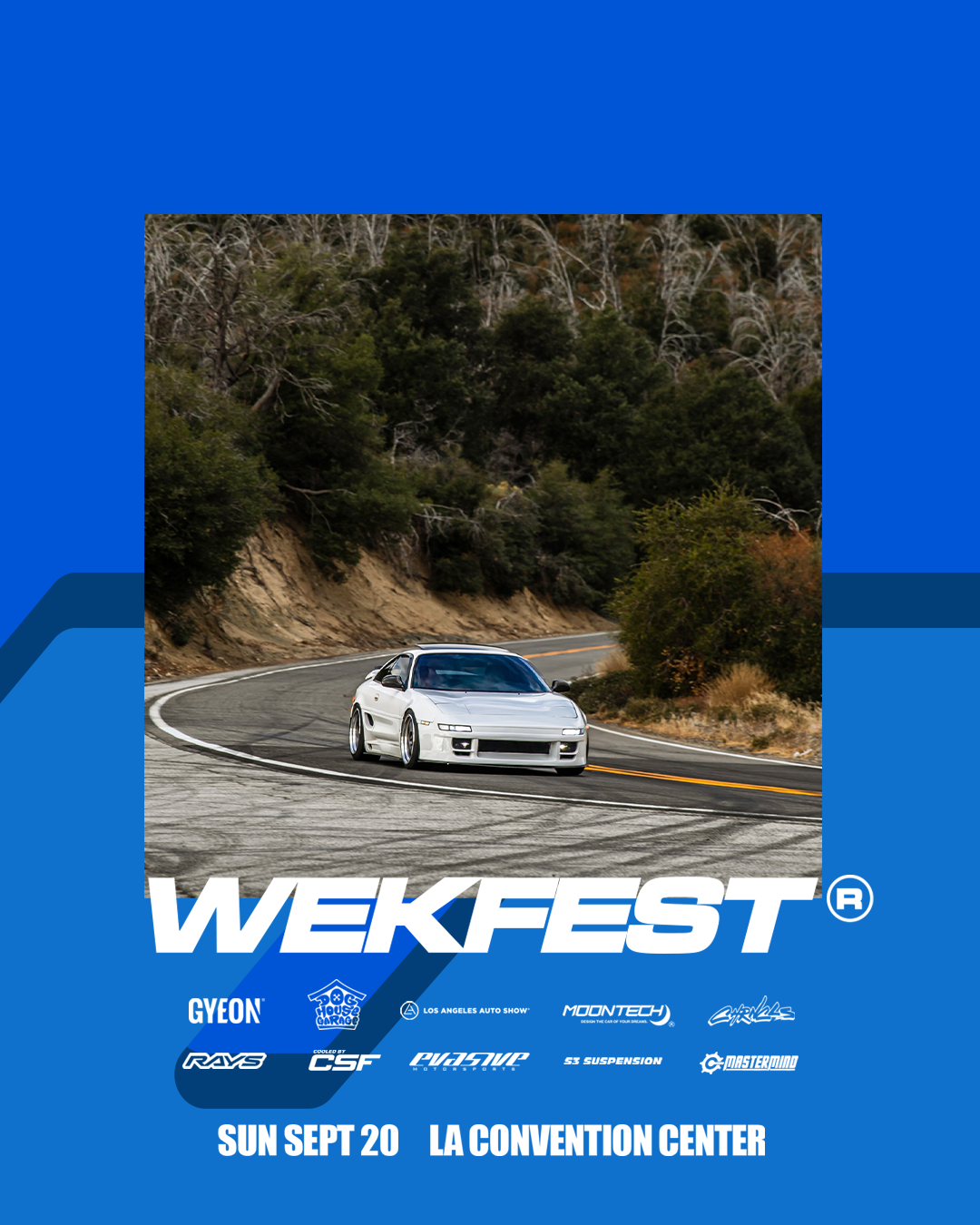
WEKFEST LOS ANGELES 2026
——————————————————————————-
Being able to bring pHa2e to Wekfest Los Angeles is especially meaningful when I look back at what the car looked like when I first found it.
I bought a base N/A automatic MR2 while searching for a Celica. Years later, that same chassis has a turbocharged 3S-GTE, manual transmission, upgraded brakes and suspension, a completely different interior and an exterior that has been shaped around my own interpretation of the SW20.
A lot happened between those two versions of the car, and Wekfest gives me an opportunity to put the finished result in front of people who appreciate the details that went into getting it here.
If you're reading this after scanning the QR code at the show, thank you for taking the time to check out pHa2e.